

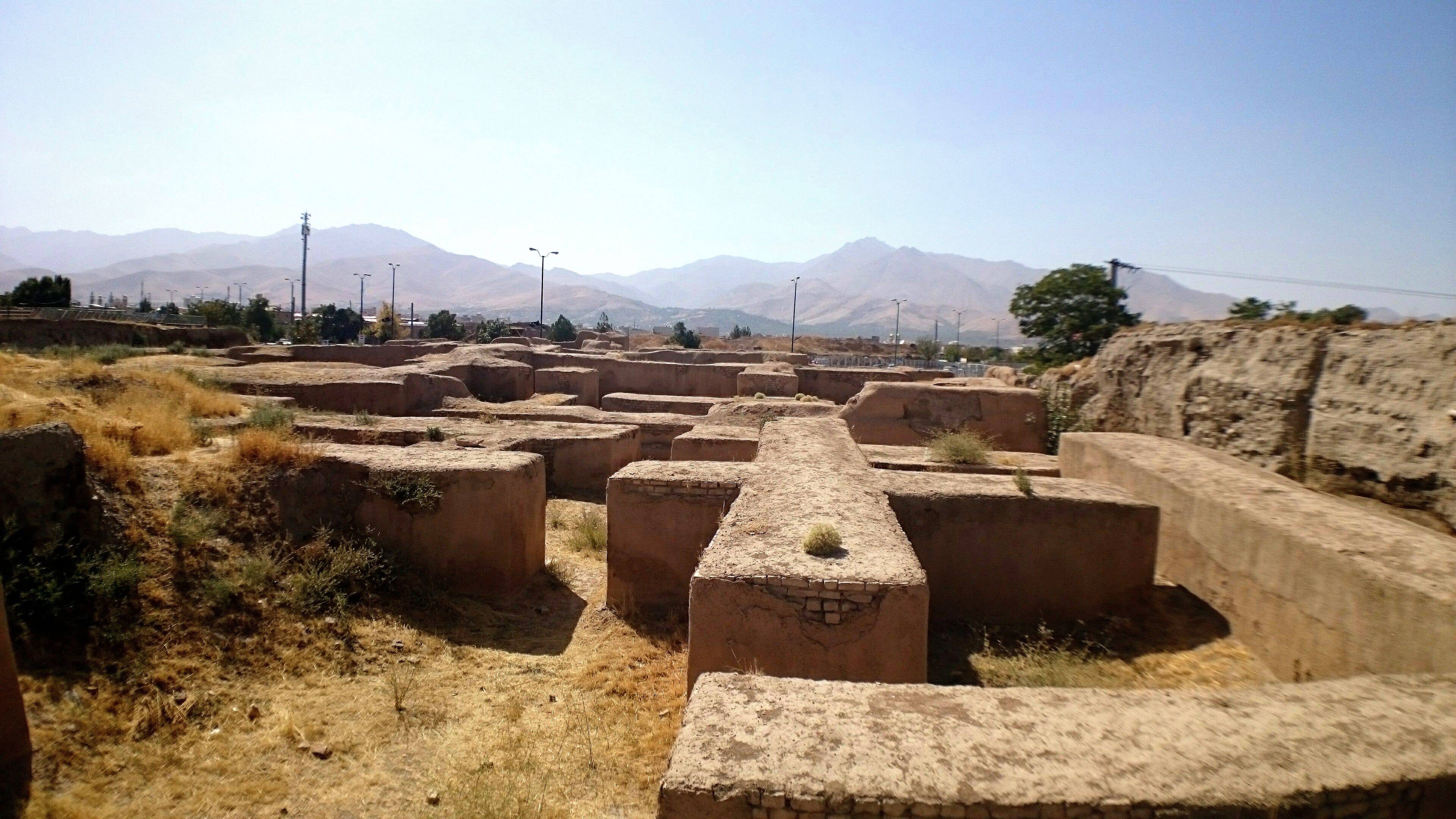
When you walk through the vibrant, modern city of Hamadan in west-central Iran, you are quite literally walking on top of history. Sheltered by the towering peaks of the Zagros Mountains, this region has served as a strategic and cultural crossroads for millennia. But beneath the asphalt and the modern storefronts slumbers Ecbatana—known in Persian as Hegmataneh—one of the earliest and most enigmatic capitals in Iranian history.
For the modern traveller journeying through the rich historical tapestry of Iran, Ecbatana offers an unparalleled glimpse into the birth of urban civilisation and imperial power. Far from just a collection of ruins, it is a testament to the ingenuity of the ancients.
The City of Successive Empires
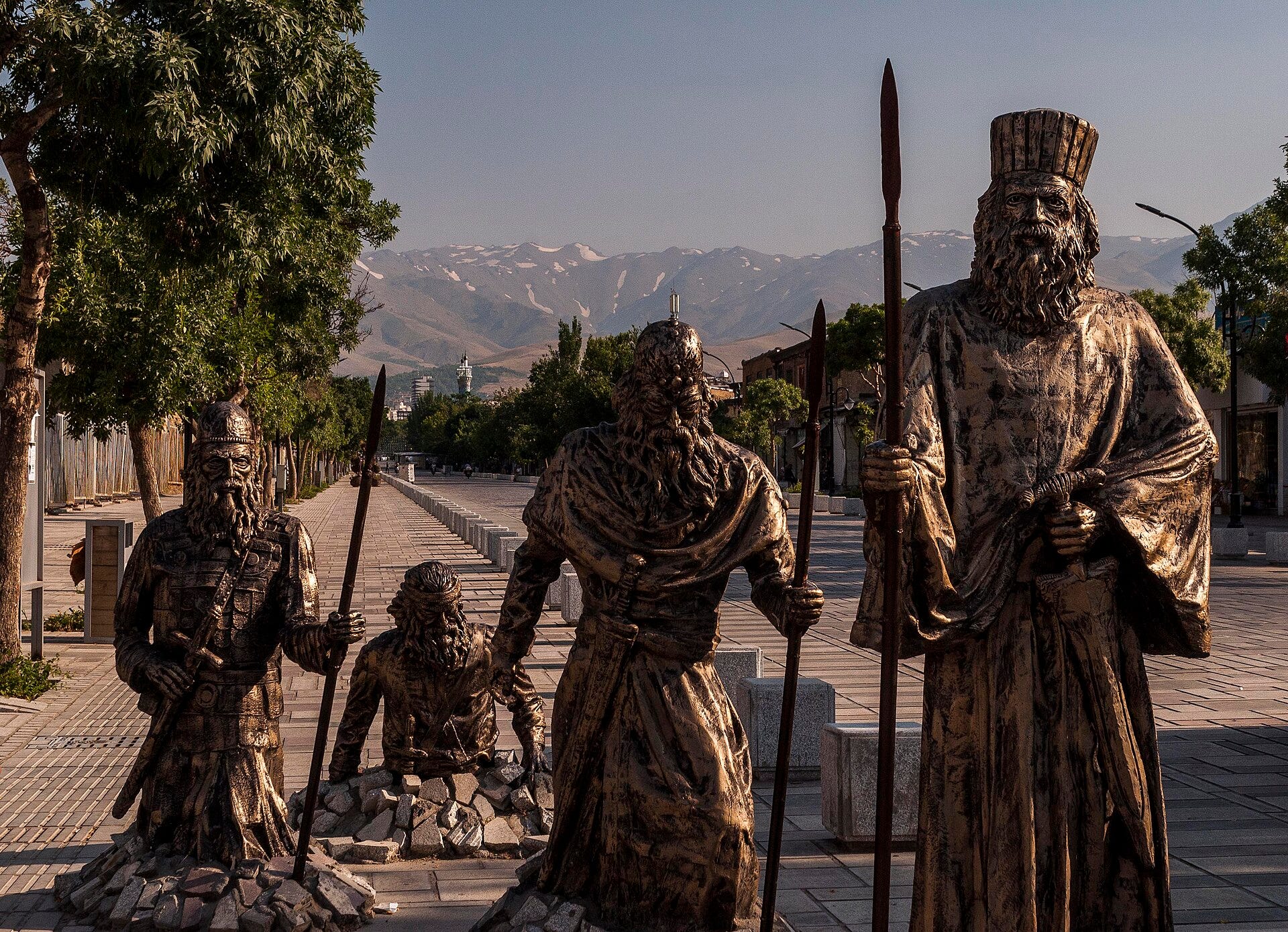
Widely celebrated as the founding capital of the Median Kingdom, Ecbatana’s strategic location east of Mesopotamia made it a jewel for successive dynasties. It did not fall into ruin when the Medes gave way to new rulers; instead, it evolved. It became the favoured summer residence for the Achaemenid and Parthian kings, offering mountain breezes far from the stifling heat of the southern plains. Its prestige endured well into the Seleucid and Sasanian eras, making it a continuous theatre of political and economic power over several centuries.
A Masterclass in Ancient Urban Planning
Perhaps the most breathtaking aspect of Ecbatana is not just who lived there, but how they lived. When we think of ancient cities, we often imagine chaotic, organic sprawls of dwellings. Ecbatana defies this stereotype.
Extensive archaeological digs have revealed a highly sophisticated, grid-like urban structure that rivals modern city planning. Ancient engineers laid out massive mudbrick complexes in strict geometric patterns. These vast residential and administrative units—each measuring exactly 17.5 by 17.5 meters—were arranged along parallel passageways running northeast to southwest. The city featured broad main streets measuring 3.5 meters wide, intersected by smaller, organised alleys.
But the planners of Ecbatana didn't stop at street grids. They built an advanced water management system to sustain the population and surrounded the city with colossal defensive fortifications. Some of the mudbrick walls unearthed are an astonishing 9 meters thick and rise over 10 meters high, silently echoing the immense military might required to guard the empire's elite.
The Journey of Discovery
The story of uncovering Ecbatana is a dramatic historical journey in its own right. The site first drew modern archaeological interest in the late 19th century when French explorer Jacques de Morgan surveyed the area, later followed by teams from the Louvre Museum. These early treasure-hunting expeditions left massive pits still visible today—locally known as the "Pits of the French."
However, the true scale of the city wasn't realised until the mid-1930s, when aerial photography by American archaeologist Erich Schmidt revealed the dense, organised settlement hidden just beneath the surface.
The site owes its preservation to dedicated Iranian archaeologists. In 1969, Mohammad Mehryar fought against modern urban encroachment, purchasing and demolishing contemporary buildings to clear a 25-hectare protected zone. From 1983 to 2000, Dr. Mohammad Rahim Sarraf led eleven intensive excavation seasons, finally bringing Ecbatana’s remarkable grid and architecture into the light. Through their efforts, a treasure trove of artifacts—ranging from Seleucid and Byzantine coins to delicate glass bowls and stamped seals—has been recovered, proving that Ecbatana was truly a global city of the ancient world.
Walking Through History
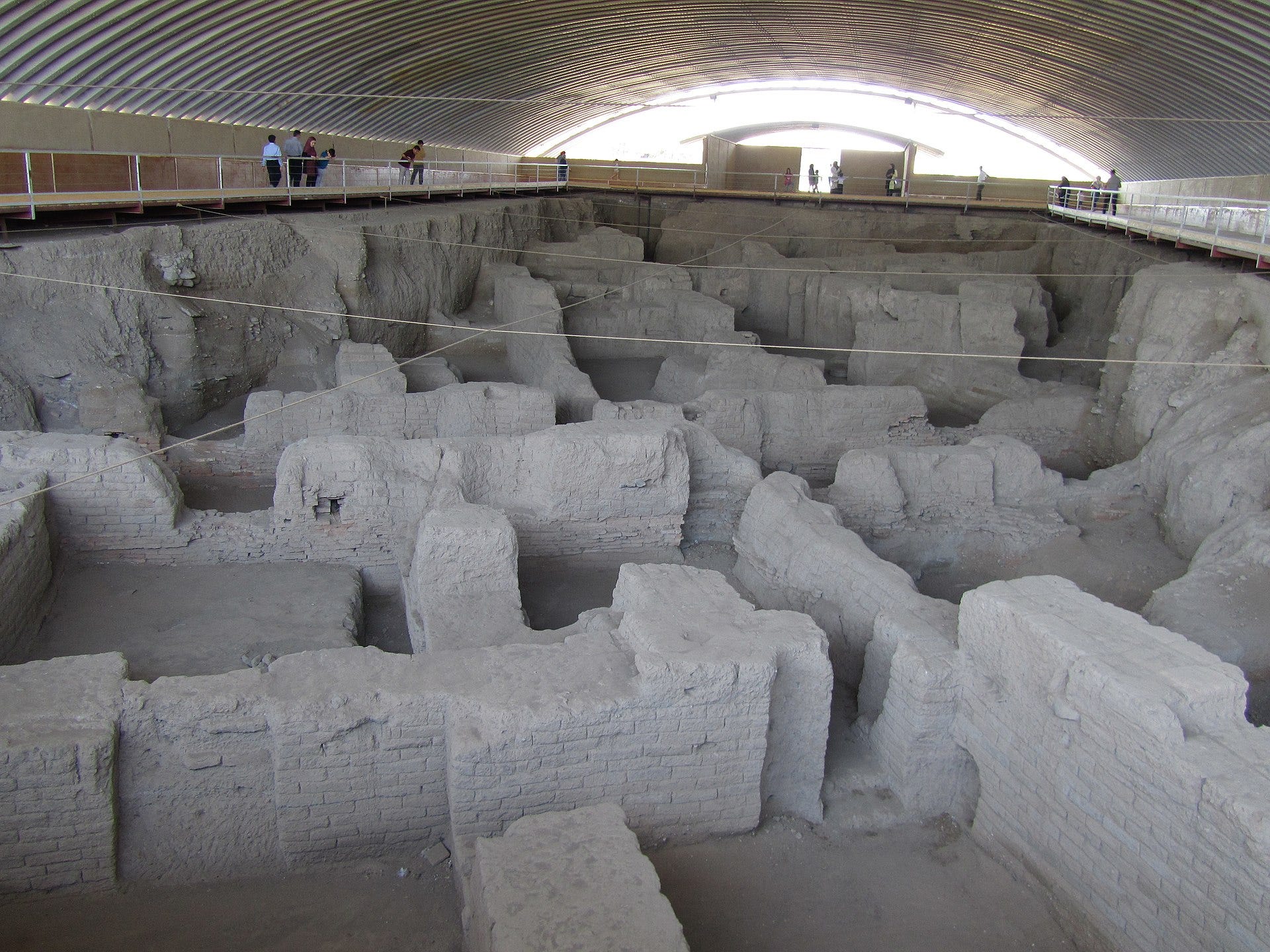
Today, Ecbatana stands not just as an archaeological site, but as a profound destination for cultural travellers. To visit Hamadan and walk the excavated paths of Hegmataneh is to trace the footsteps of Median kings, Achaemenid conquerors, and centuries of Silk Road travellers.
For those looking to explore the deep roots of Iranian heritage, a journey to Ecbatana is a reminder of the enduring legacy of human ingenuity. It is a place where the layered past speaks to the present, inviting us to look beneath the surface and discover the empires resting quietly beneath our feet.