

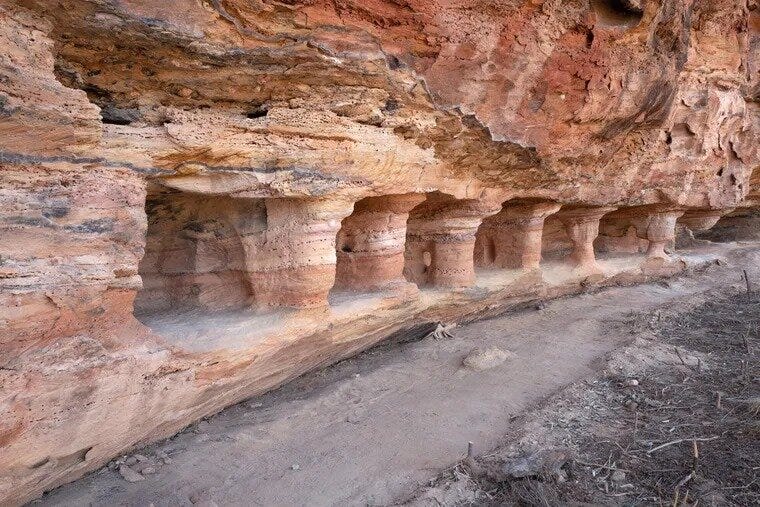
Deep within the rugged canyons and rainforests of Isalo National Park in Madagascar lies a site that has baffled historians for decades. Known as Teniky, this remote archaeological wonder features strange stone walls and rock-cut niches that seem out of place on the African island. For years, the prevailing narrative suggested these were the remnants of a shelter built by shipwrecked Portuguese sailors in the 16th century.
However, a groundbreaking new study has shattered this Eurocentric theory, pointing instead to a far more ancient and Eastern origin. The evidence now suggests that Teniky was established between the 10th and 12th centuries by Persian settlers—specifically Zoroastrians fleeing the changing religious landscape of their homeland.
A Connection Carved in Stone The key to unlocking the mystery of Teniky lay in its distinctive architecture. Researchers noted that the rock-cut niches carved into the sandstone cliffs bore a striking resemblance to astodans found in the Fars region of Iran.
In ancient Persian tradition, specifically within Zoroastrianism, burying the dead was considered a desecration of the earth. Instead, bodies were exposed to the elements until only the bones remained, which were then placed in these ossuaries or rock niches. This architectural style is unique in East Africa but finds a direct ancestor in the funerary practices of ancient Persia.
The Flight to “Wakwak” Carbon-14 dating of charcoal found at the site confirms habitation centuries before the arrival of the Portuguese, aligning perfectly with a tumultuous period in Persian history. Following the Arab conquest of Persia in the 7th century, many Zoroastrians faced increasing pressure and persecution. It appears that a group of these exiles took to the seas, navigating the Indian Ocean to establish a hidden sanctuary on the island historically known to early Islamic geographers as “Wakwak.”
This discovery paints a vivid picture of a desperate yet determined migration. These settlers traveled over a hundred miles inland from the Malagasy coast to build a defensible, isolated community, protected by dry-stone walls and the natural fortress of the canyons.
A Mystery Unsolved Despite the compelling architectural evidence, Teniky guards its secrets closely. No human remains have been found in the niches—a fact researchers speculate could be due to later ritual removal by other local groups. The fate of the settlement is also unknown. Did the community succumb to disease, conflict, or drought? Or did they assimilate into the broader population of the island?
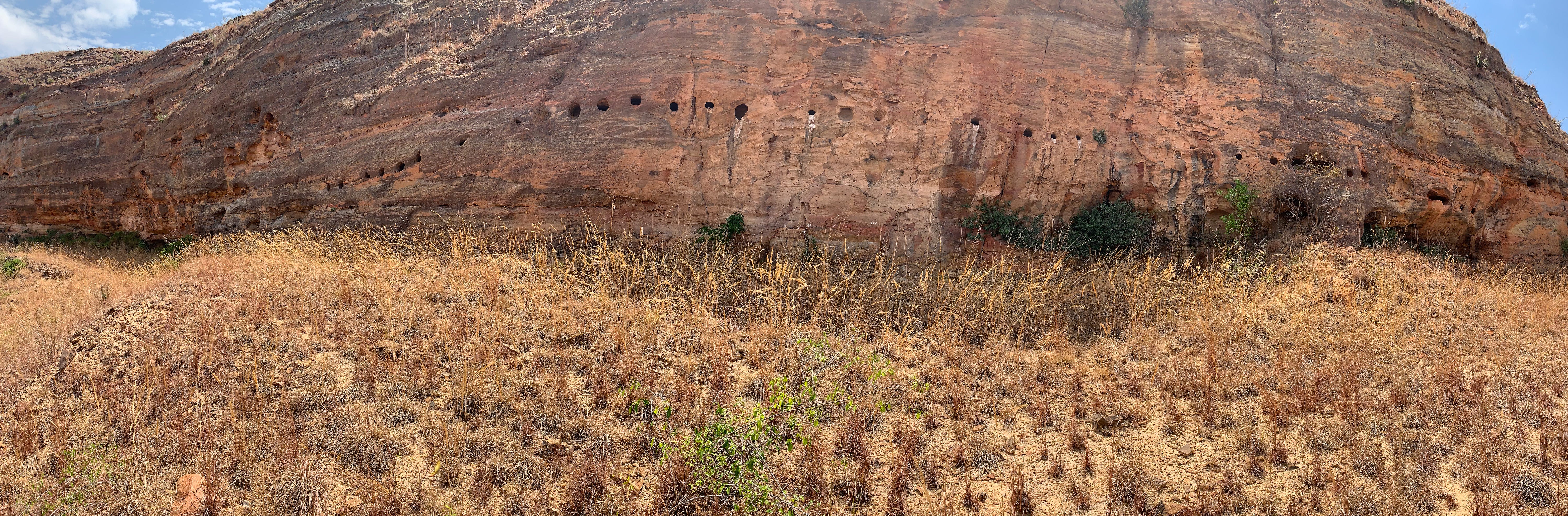
A Journey for the History Enthusiast For the modern traveler and history enthusiast, Teniky represents a fascinating new chapter in the story of the Persian diaspora. It stands as a testament to the endurance of a culture that traveled thousands of miles in search of peace.
Today, visiting the site offers a unique trekking opportunity in Isalo National Park. As you walk through the dramatic landscapes of Madagascar, you are walking the same paths as those ancient Persian refugees, witnessing the physical remains of a 1,000-year-old link between the Iranian plateau and the Indian Ocean.
Travel Note: Isalo National Park is accessible for tourists, but reaching the remote site of Teniky often requires a guided trek. It serves as a poignant reminder of how far the ripples of Persian history have spread across the globe.