

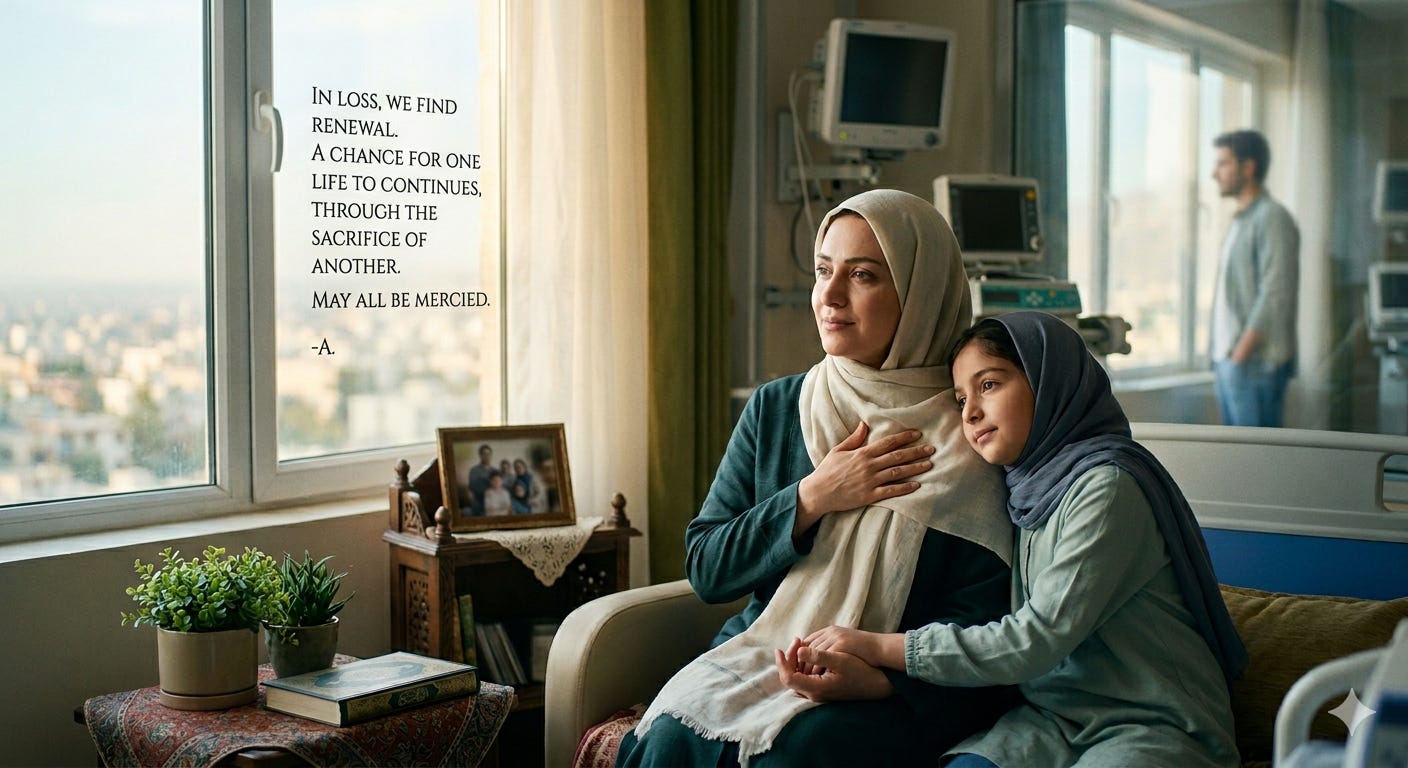
From Grief to Grace: The Silent Miracles of Organ Donation in Iran
In the quiet, sterile corridors of hospitals, there exists a unique intersection of human experience where the deepest sorrow meets the purest form of hope. It is the world of organ transplantation—a medical journey that, in Iran, has transformed from a necessity into a profound act of love and communal support.
A Legacy of Compassion
The story of transplantation in Iran is rooted in more than just surgical innovation; it began with a guiding light. On May 21, 1989, a historic fatwa by Imam Khomeini permitted organ donation from brain-dead patients. This spiritual guidance paved the way for a medical evolution, allowing thousands to find a second chance at life through the selfless generosity of others.
What started as a response to the need for treatment abroad has blossomed into a sophisticated, indigenous medical infrastructure. Today, Iran stands as a regional leader in West Asia, with its medical centres performing a wide spectrum of vital organ transplants—from kidneys and livers to hearts and lungs.
The Bridge Between Two Families
At the heart of every transplant is a story like Monir’s. For a long time, her world was confined to the rhythmic beeping of hospital monitors and the heavy uncertainty of waiting. Her life was measured in anxious phone calls and the fear of leaving her daughter behind.
When the call finally came, it wasn't just a surgical procedure; it was a transition. Monir’s life was saved by an anonymous donor—a family who, amidst their own unbearable loss, chose to plant a seed of life in another. This "strange connection between grief and survival," as she describes it, is the true miracle of transplantation: the ability for one life to continue, in a different form, through the body of another.
Moving Beyond Misconceptions
Despite the medical advancements and the dedication of brilliant surgeons and advocates like Dr. Katayoun Najafizadeh, the path forward requires a shift in public understanding.
A significant challenge remains the distinction between a coma and brain death. While a coma may offer a window for recovery, brain death is final. Helping families navigate this devastating reality is one of the most delicate tasks our medical professionals perform. The "miracle" they offer is not the impossible return of the deceased, but the opportunity for that person’s life to provide a future for others.
A Collective Responsibility
Iran’s transplant system is built on a foundation of equity, where government-covered costs ensure that access is based on need rather than wealth. Yet, the statistics remind us of the work still to be done: thousands remain on waiting lists, and every day, many lives are lost that could have been saved.
The goal for the coming years is to weave organ donation into the fabric of our culture—to reach a place where understanding the gift of life is as natural as any other act of kindness. By normalising conversations, educating our communities, and embracing the potential to save lives, we can turn more moments of adversity into lasting hope.
As we look to the future, it is worth remembering that transplantation is not just a triumph of science but a triumph of the human spirit. It is a reminder that even in our darkest moments, we have the capacity to be the answer to someone else’s prayer.