

Every year, millions of devotees from across the globe travel to the holy cities of Iran to perform Ziyarat at the sacred shrines of Imam Reza (AS) in Mashhad and Hazrat Masumeh (SA) in Qom. For many pilgrims—especially the elderly, families travelling with grandparents, or those managing chronic health conditions—the physical journey is deeply intertwined with concerns about healthcare access while abroad.
Fortunately, a remarkable new medical breakthrough out of Iran is set to offer immense reassurance to pilgrims and their families. On August 22, 2026, Iranian scientists announced the development of a cutting-edge smart device designed to monitor the depth of anaesthesia with unprecedented accuracy, reinforcing the country’s status not just as a spiritual sanctuary, but as a regional powerhouse in advanced medical science.
The Breakthrough: AI Meets Neuroscience
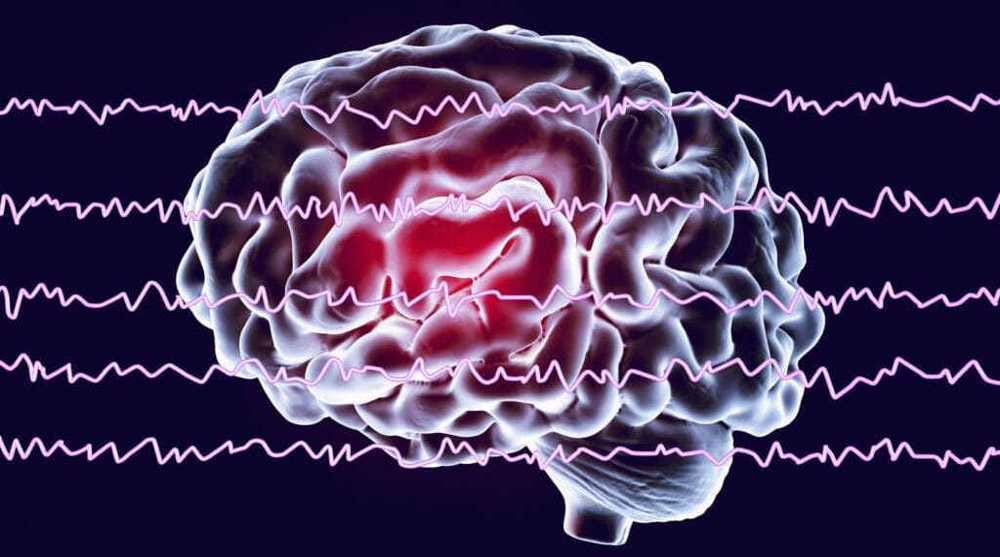
Developed by a local, knowledge-based company specialising in cognitive neuroscience—with support from Iran’s Cognitive Sciences and Technologies Development Headquarters—the new prototype utilises electroencephalography (EEG) signals paired with advanced computational brain modelling.
Historically, anaesthesiologists have relied on conventional, one-dimensional indicators like the Bispectral Index (BIS) to monitor a patient’s consciousness. However, this new Iranian technology maps the depth of anaesthesia in a two-dimensional phase space. By computationally modelling the thalamocortical network of the brain, the system allows clinicians to precisely assess how close a patient is to transitioning between different states of consciousness.
This leap in technology addresses the limitations of older equipment, particularly when different types of anaesthetic drugs are administered, ensuring a safer, highly customised, and closely monitored surgical experience.
What This Means for Ziyarat Pilgrims
While no pilgrim travels to the lands of the Ahlul Bayt (AS) anticipating a medical emergency, the reality of international travel makes the quality of local healthcare infrastructure a top priority. Here is why this medical advancement is a blessing for Ziyarat travellers:
World-Class Emergency Care: The integration of AI, EEG processing, and brain modelling into domestic medical equipment means that Iranian hospitals, surgical centres, and intensive care units are being equipped with next-generation technology. Should a pilgrim require surgery while visiting Iran, they will be monitored by systems that are at the very forefront of global neuroscience.
A Resilient, Self-Sufficient Healthcare System: This new device is part of a broader national initiative to localise advanced medical technologies and reduce dependence on imported foreign equipment. A self-reliant medical infrastructure is a resilient one. It guarantees that top-tier, affordable medical devices remain consistently available in major pilgrimage hubs like Tehran, Mashhad, and Qom, regardless of global supply chain issues or sanctions.
Reduced Stress for Medical Professionals: The device is designed to reduce the workload and stress on anaesthesiologists by providing reliable, real-time clinical decision support. A supported, less-stressed medical team translates directly into safer, higher-quality care and faster recovery times for patients.
Faith, Science, and Well-being
In our Islamic tradition, seeking knowledge and preserving human life are among the highest virtues. The continuous advancements in Iran’s medical sector reflect a society deeply committed to caring for the physical body, which is just as important as nourishing the soul during Ziyarat.
At Shia Journeys, we believe that your spiritual journey should be free from worldly anxieties. As you plan your upcoming visit to the Haram of the Imam of Kindness (Imam Reza AS), you can do so with the reassurance that Iran’s healthcare system is continually evolving. The fusion of spiritual tranquillity and state-of-the-art medical science ensures that your journey to the holy lands is as safe, protected, and uplifting as possible.