

In an inspiring leap forward for medical science in the Islamic world, Iran’s prestigious Royan Institute has announced it is developing a highly sophisticated CAR T-cell gene therapy designed to treat patients suffering from advanced, treatment-resistant lymphoma.
The initiative positions the institute at the global forefront of cell-based cancer treatments, offering a powerful beacon of hope for families grappling with aggressive blood cancers that have failed to respond to standard medical interventions.
A New Frontier in Personalized Medicine
Ansiyeh Hajizadeh, director of the Advanced Cell Products Technology Development Center at the Royan Institute, highlighted the project as a milestone in the field of Advanced Therapy Medicinal Products (ATMPs).
“One of the treatment categories currently recognised worldwide as advanced therapy medicinal products is gene therapy, which has attracted significant global investment in recent years,” Hajizadeh explained.
CAR T-cell technology is essentially a form of personalised cellular engineering. Unlike generalised chemotherapy, this treatment uses a patient’s own immune system as a precision weapon against the disease.
How the Breakthrough Therapy Works
The process is highly precise and tailored to each individual patient:
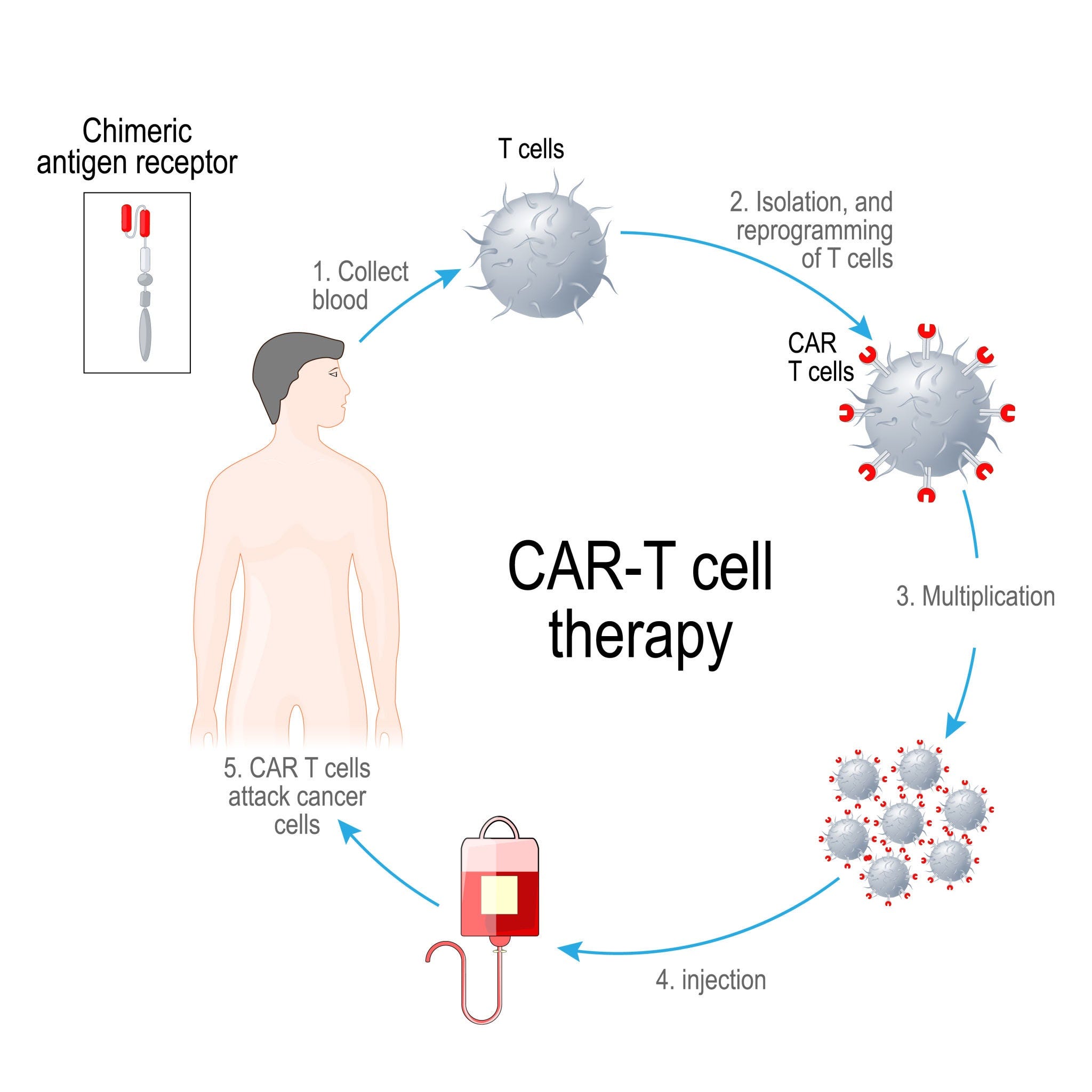
Isolation: Doctors first draw blood from the patient to isolate specific white blood cells known as T lymphocytes.
Genetic Engineering: In the lab, these T cells are equipped with a specialised gene that explicitly trains them to recognise and target the specific proteins found on the patient’s cancer cells.
Expansion & Infusion: Once genetically modified, these “super-cells” are multiplied in large numbers before being safely infused back into the patient’s body, where they seek out and dismantle the treatment-resistant tumor cells.
“Patients who have undergone various treatments without successfully overcoming their cancer may benefit from this gene therapy,” Hajizadeh noted, emphasising that the treatment offers a vital secondary option when conventional avenues have been exhausted.
A Beacon of Scientific Progress
The development underscores the growing self-reliance and technological prowess of cutting-edge research facilities within the region. While similar advanced CAR T-cell treatments have received regulatory approvals in the United States and Europe, the Royan Institute’s homegrown breakthrough ensures that this life-saving, high-tech oncology care is being mapped out locally.
The research team is currently finalising the developmental stages and expects to secure the necessary regulatory approvals in the near future, bringing this profound expression of scientific innovation closer to the hospital bedside.