

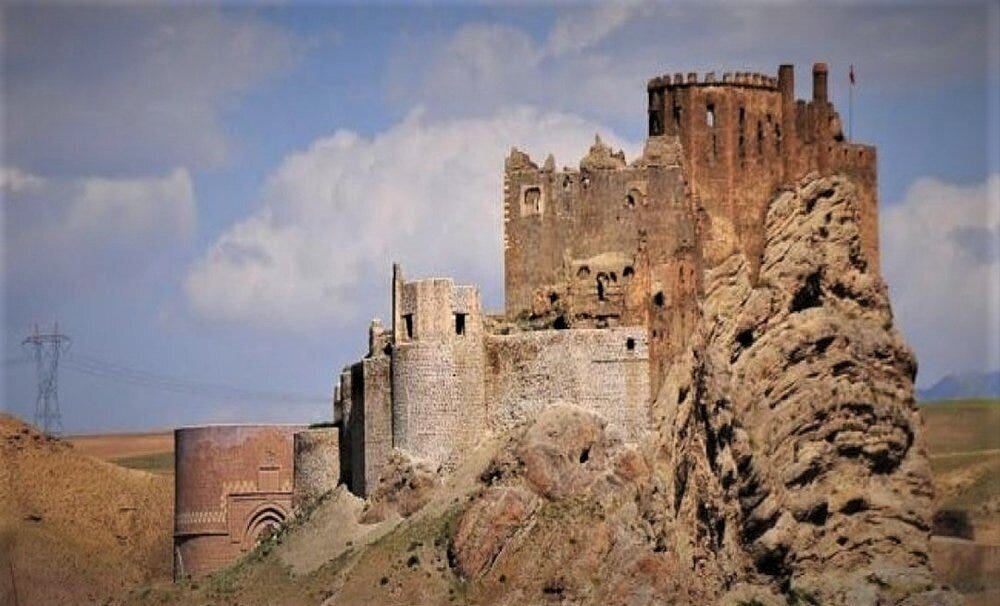
Tucked away on the southern slopes of the Caspian Sea, shrouded in mist and centuries of mystery, lies one of the most fascinating chapters of Islamic history. For the modern traveler seeking more than just beautiful landscapes, the Cultural Landscape of Alamut offers an unparalleled journey into the heart of the Nizari Ismaili state—a powerful segment of Shia Islam that thrived between the 11th and 13th centuries.
Recently nominated for the UNESCO World Heritage List, this sprawling 2,000-square-kilometer region is far more than a collection of ruined castles. It is a testament to mountain governance, incredible engineering, and a vibrant intellectual life that once rivaled the greatest cities of the Islamic world.
The City of Good Fortune
At the center of this historical web sits Alamut Castle. Built atop a dramatic, high-rock outcrop, it served as the political, religious, and administrative heartbeat of the Nizari Ismaili state under the leadership of Hasan-i Sabbah, who famously renamed it the “City of Good Fortune.”
While later legends and the accounts of their detractors painted the inhabitants as secretive assassins, the archaeological and historical reality is far more compelling. Alamut was a beacon of culture. It boasted a magnificent library that drew scholars from across Iran and the broader Islamic world, eager to engage in advanced studies of astronomy, medicine, and philosophy.
An Engineering Marvel in the Clouds
What makes the Alamut region truly breathtaking for visitors today is the sheer ingenuity required to build and sustain these mountain fortresses. The Ismaili state wasn’t just a single castle; it was a highly sophisticated, interconnected network of seven major strongholds—including Lambsar, Navizarsah, and Shams Kalayeh.
When you explore these ruins, you are walking through a masterclass in medieval engineering. The fortresses feature:
Advanced Water Management: Forts like Shirkuh contained complex cisterns designed to collect and store rain and snowmelt, ensuring survival during long sieges.
Integrated Architecture: At Shams Kalayeh, builders seamlessly blended fortified walls and stairways into natural mountain caves.
A Self-Sustaining Landscape: The defensive system was supported by a network of local villages, terraced farms, and orchards, creating a fully self-sufficient cultural landscape.
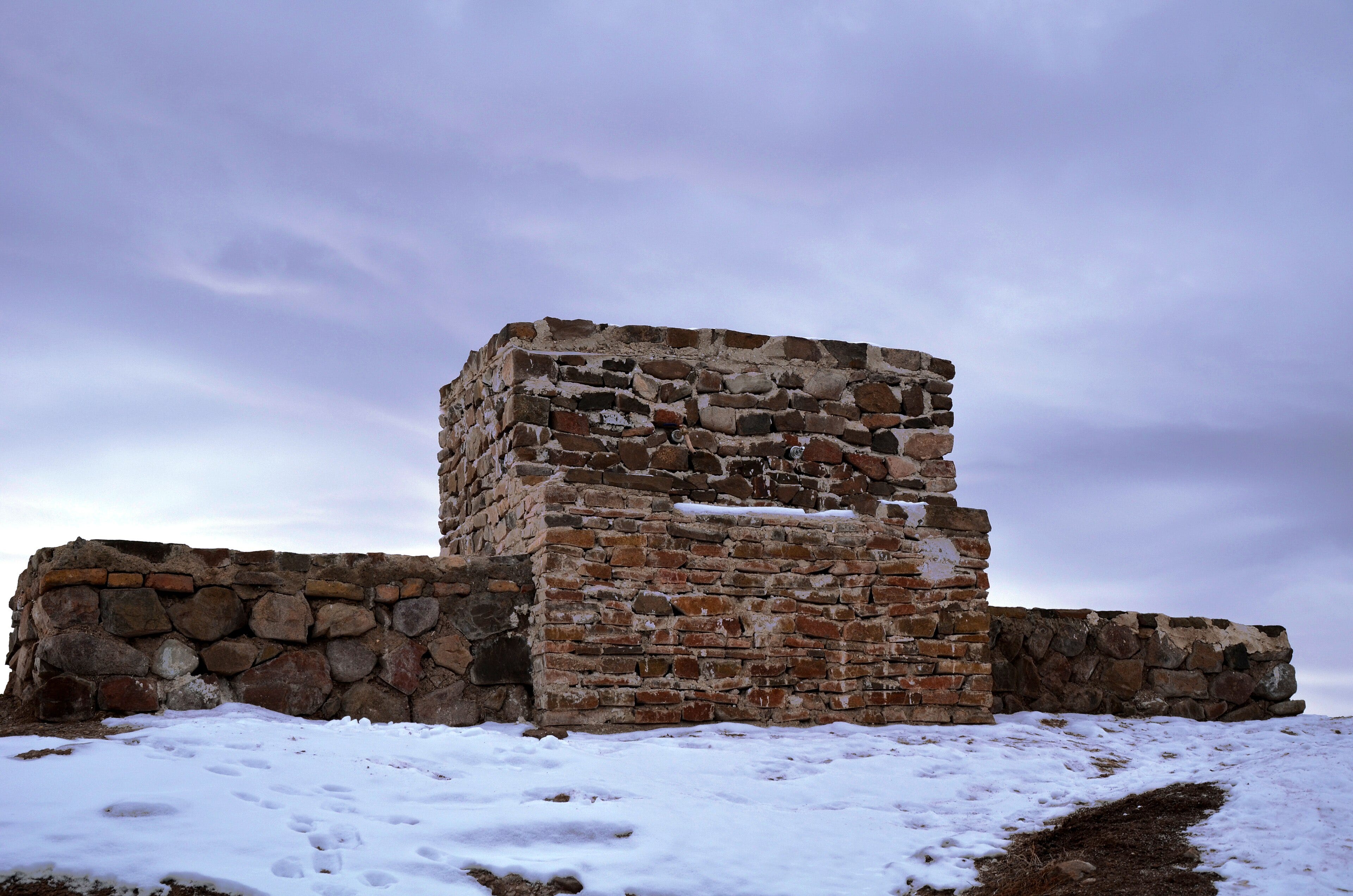
Because their own records were burned, the true story of the Nizari Ismailis at Alamut was left to be written by their enemies, leaving the “City of Good Fortune” shrouded in enigma for centuries. It wasn’t until the 1930s, with the publication of Freya Stark’s travel diary The Valleys of the Assassins, that Alamut re-entered the global public consciousness.
Planning Your Journey
Today, the Alamut Valley is recognised by experts like the International Council on Monuments and Sites (ICOMOS) as an exceptional testimony to Ismaili cultural tradition. A trip here is a pilgrimage for history enthusiasts and spiritual travellers alike—a chance to climb the same steep, winding paths, touch the ancient stonework, and look out over the Alborz Mountains exactly as the scholars and defenders of Alamut did centuries ago.
If you are planning your own journey to the Eagle’s Nest, expect a rugged but deeply rewarding trek. Pack a sturdy pair of boots, a copy of Stark’s diary as a travel companion, and prepare to step back into a brilliant, defiant era of Shia heritage.