

Few cities weave together poetry, pilgrimage and healing quite like Shiraz. The city of Hafez and Saadi, of Eram Garden’s cypress shade, and of the luminous Shah Cheragh — resting place of Sayyid Ahmad ibn Musa, brother of Imam al-Ridha (AS) — may soon add a new chapter to its long tradition of hospitality: medical care built around the traveller, where the patient is received as a guest.
Fars province is exploring plans to establish hotel-based medical care facilities and expand accommodation for patients and elderly visitors, part of a broader effort to strengthen its position as a health tourism destination. The proposals emerged from a joint meeting between provincial tourism chief Behzad Moridi and Ali-Akbar Ramjerdi, head of the Fars Health Endowment Association, which highlighted opportunities for deeper cooperation between the healthcare, charity and tourism sectors.
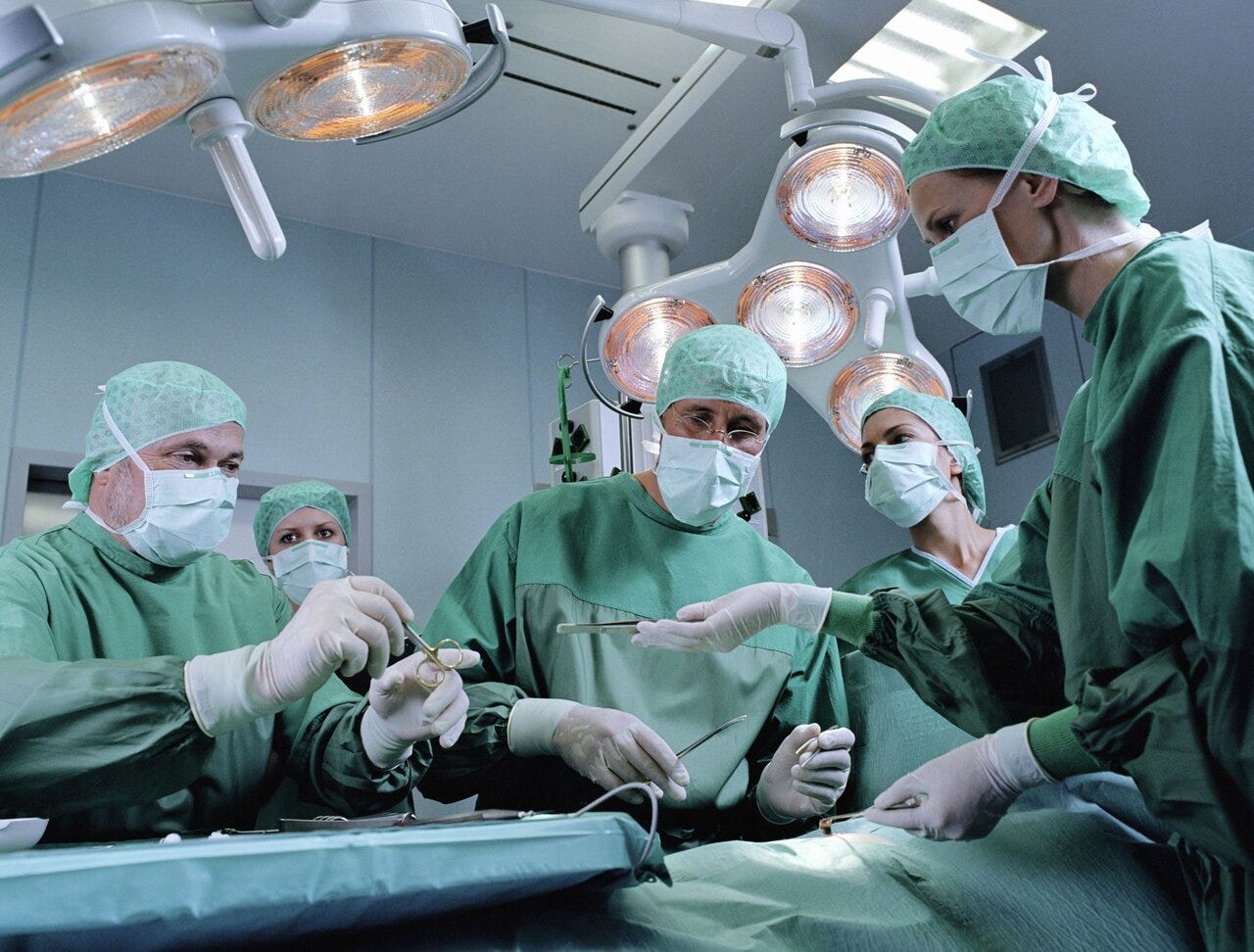
For Moridi, Shiraz’s credentials are already in place: experienced medical specialists, well-equipped healthcare facilities and advanced hospitals. Promoting these capabilities nationally and internationally, he said, could attract more foreign patients while stimulating economic growth, investment and sustainable job creation. He stressed the need for closer coordination among healthcare institutions, charitable organisations, tourism operators and government agencies to make the most of what the province already offers.
Charity as infrastructure
The endowment association’s record offers a glimpse of an economy of care rooted in the Islamic tradition of waqf. Over 24 years, Ramjerdi said, the projects and contributions of health benefactors have grown to a value exceeding 200 trillion rials. That generosity has created more than 500,000 square meters of healthcare, medical and educational facilities, supplied advanced medical equipment, expanded emergency services and strengthened healthcare infrastructure across the province.
For families travelling with a loved one, one detail stands out: the association already operates 18 accommodation facilities for patients and their companions, providing more than 400,000 bed-nights to date, alongside support funds for patients and students. In a culture where accompanying the sick is itself an act of devotion, a guaranteed place to rest near the hospital is no small mercy.
Care under one roof
Among the proposals discussed was the development of hotel-style facilities combining accommodation, treatment and care services in a single setting. Ramjerdi also pointed to the country’s ageing population, saying specialised residential and medical facilities for older people — offering lodging, healthcare and support under one roof — are becoming ever more important.
For elderly pilgrims who long to make ziyarat but hesitate at the strain of travel, that vision carries quiet promise: a journey made gentler, with care close at hand.
The plans build on a reputation already travelling far beyond Iran’s borders. The country is particularly known for high-quality stem cell therapy and organ transplants, fields that have drawn growing interest from patients abroad — and for many Shia travellers, treatment and ziyarat are already two halves of a single journey.
The proposals remain at the planning stage, but the direction is unmistakable. Imagine recovering within reach of Shah Cheragh’s light, in the city that gave the world Hafez’s verses — receiving not only treatment, but rest, dignity and welcome. Healing of the body alongside renewal of the soul: a journey made whole.
Reference: Tehran Times