

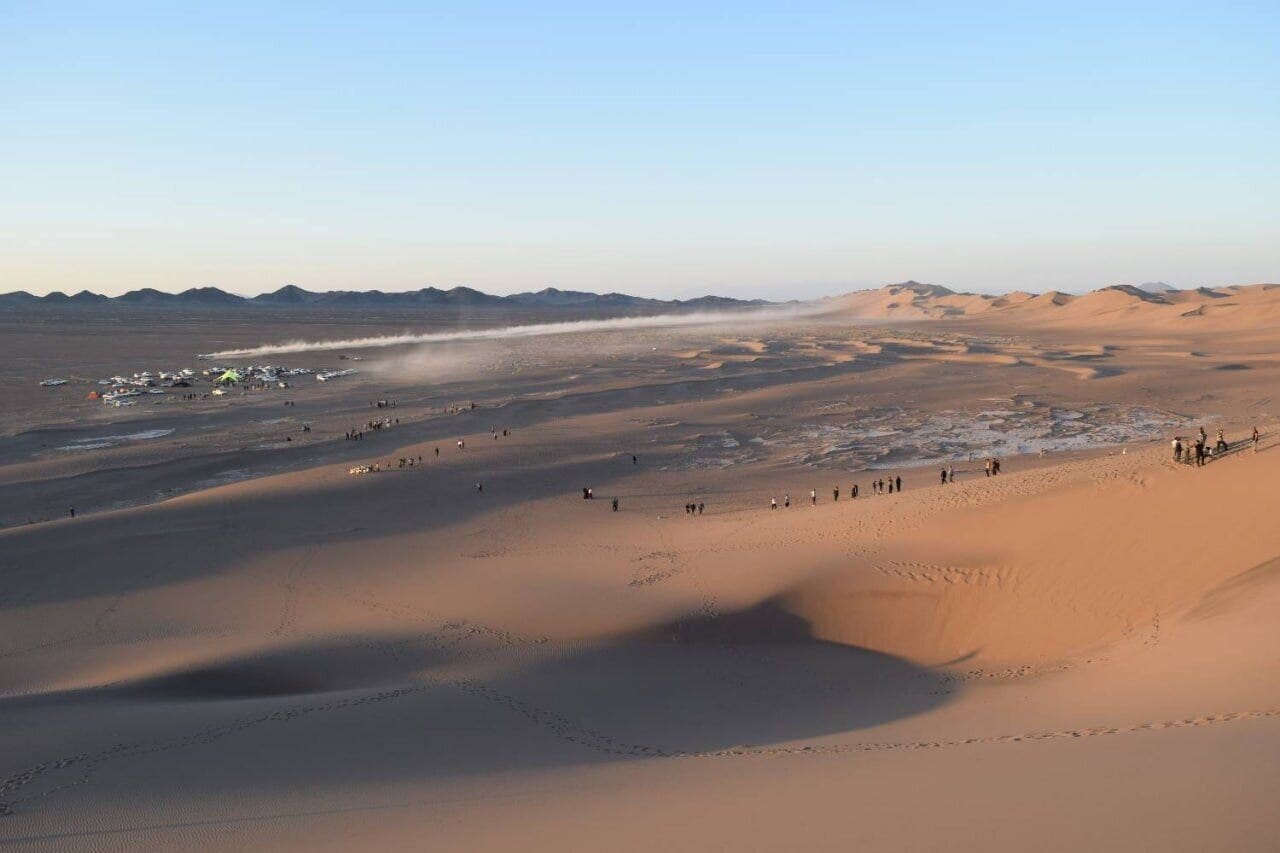
For the mindful traveller seeking to witness the sheer power and artistry of the natural world, Iran’s Lut Desert offers an unparalleled journey. Recently marking the 10th anniversary of its inscription on the UNESCO World Heritage list, this vast expanse is drawing the attention of specialists and researchers who see it not just as a formidable environment, but as a sanctuary for science, education, and nature-based tourism.
A Natural Museum of Wonder: To step into the Lut Desert is to step into a landscape sculpted by the enduring forces of wind and water. Experts describe the region as a natural museum, defined by its rolling sand dunes, sweeping alluvial plains, and the rare geological phenomenon known as “armoured mud balls”. Most striking of all are the kaluts—or yardangs. The kaluts found in the Lut Desert are the tallest, longest, and most continuous in the world. Stretching for over 40 kilometres, these majestic formations reach awe-inspiring heights of more than 225 meters, serving as the defining architectural masterpieces of this World Heritage site.
The Furnace of the Earth: The Lut Desert holds the formidable title of being one of the hottest places on Earth. For years, satellite observations from NASA’s MODIS instrument estimated land surface temperatures here at around 70.7 degrees Celsius, with some analyses suggesting the heat could approach 80 degrees Celsius. In July 2022, the first ground-based measurements were taken, recording a staggering maximum surface temperature of 73.5 degrees Celsius and confirming the satellite data.
Yet, amidst this extreme environment, there are profound signs of life and resilience. The desert boasts a surprising biodiversity, providing a home to animal species uniquely adapted to these harsh conditions, as well as heat- and drought-resistant plants like Calligonum leucocladum and Haloxylon persicum. Furthermore, studies have highlighted the presence of the permanent Shur River and even the formation of young lakes in parts of the desert over the past two decades.
A Call for Mindful Geotourism: Iran is home to approximately 5 million hectares of sand seas, placing it among the nations with the world’s largest expanses of sandy deserts. Today, researchers are advocating for a shift in perspective—urging society to view these vast sand landscapes not as a threat, but as an incredible opportunity for economic growth and responsible tourism.
For those journeying to connect with the earth and the heavens, the Lut Desert offers the ultimate retreat. The region holds immense potential for sustainable tourism focused on its pristine dark skies, the deep and meditative “desert silence,” and meaningful participation with local communities. Protecting this majestic landscape requires science-based management, continued climate monitoring, and cooperation on both a national and international level. As it serves as a natural laboratory for environmental and climate change research, the Lut Desert ultimately invites travellers to witness the breathtaking extremes of creation in one of the globe’s most untouched frontiers.
Reference: Tehran Times