

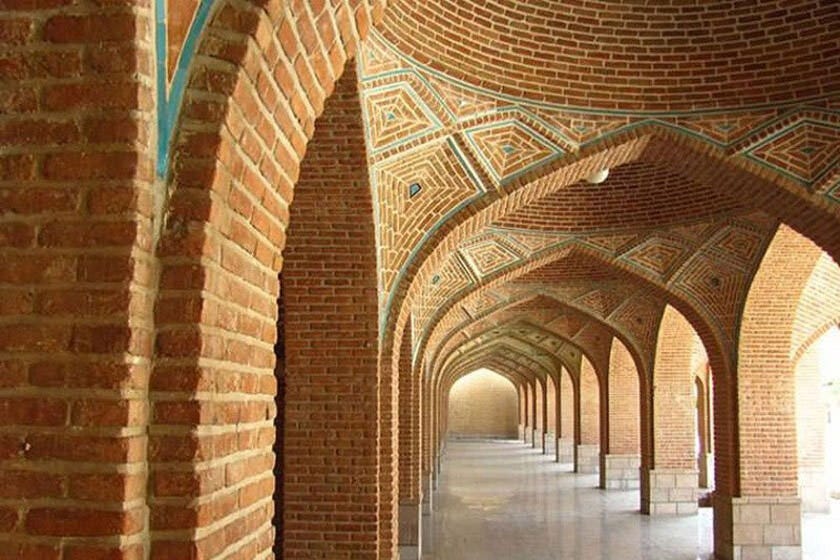
Deep in the heart of southwestern Iran’s Khuzestan province lies Dezful, affectionately known as the “City of Bricks.” It is a place where history feels tactile, rooted in the very earth from which its structures are formed. At the spiritual and historical center of this ancient city stands the Jameh Mosque of Dezful—one of the oldest and most profound Islamic monuments in the region.
For the spiritual traveller, stepping into the Jameh Mosque is like walking through a living tapestry of faith. Built during the early centuries of the Islamic era, the mosque’s walls echo the devotion of countless generations. Its design is a beautiful conversation between ancient Sasanian architectural traditions and the indigenous, brick-focused craftsmanship unique to Dezful. Though time has passed, thoughtful restorations during the Safavid and Qajar periods have carefully preserved its soul.
A Masterclass in Sacred Architecture
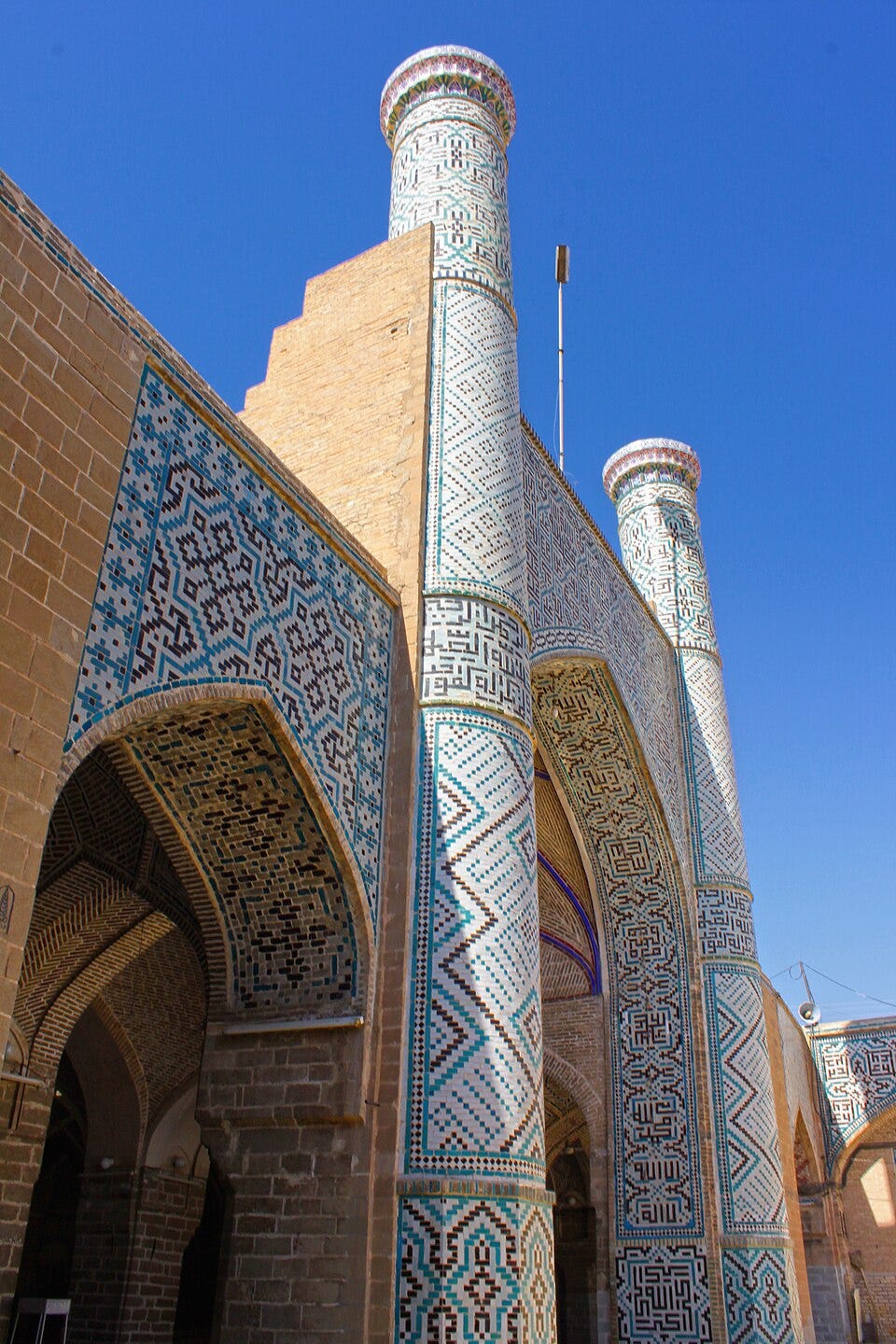
As you cross the threshold—guided by a 12th-century entrance and twin minarets inspired by the ancient Karkheh Palace—the space opens up into a vast, serene central courtyard. The main prayer hall on the southern side immediately draws the eye.
The aesthetic details here are designed to elevate the spirit. Qajar-era tilework blankets the surfaces in rich, colourful geometric motifs, interwoven with elegant Kufic inscriptions that remind visitors of the Divine. Above the sanctuary rests a meticulously crafted brick dome, but perhaps the most captivating feature is the exquisite stucco mihrab. This prayer niche, serving as the directional compass for worship, stands out as one of the building’s finest artistic triumphs.
The Subterranean Sanctuary
Beyond its visual beauty, the mosque demonstrates a remarkable harmony with its harsh natural environment. Dezful’s summer heat can be unforgiving, but the mosque’s builders were master environmental engineers.
Beneath the surface lie the Shavadan chambers—a network of interconnected, doorless underground rooms. Fed by the cooling proximity of the nearby Dez River, these chambers offered sanctuary and thermal relief to worshippers during the blazing summer months. Thick brick and adobe walls provided natural insulation, while cleverly positioned vents in the courtyard and roof pulled in natural light and fresh air. It is a stunning reminder of how traditional Islamic architecture cared for both the spiritual and physical well-being of the community.
Your Journey to Dezful
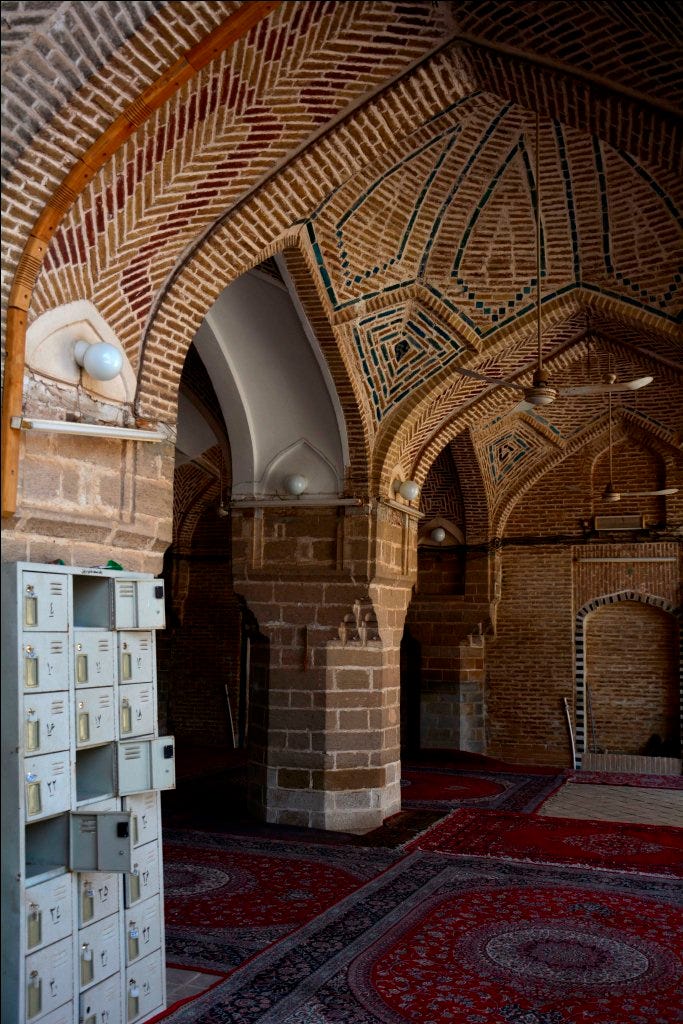
Recognised as a national heritage monument since 1936, the Jameh Mosque does not stand in isolation. It is woven into the fabric of a historic quarter that includes the traditional Dezful Bazaar and the grand Tizno House. Moreover, the city itself sits near the ancient Elamite capital of Awan and features a legendary Sasanian bridge built by Shapur II.
For those charting a journey through Iran’s sacred and historical landscapes, Dezful offers more than just sightseeing. The Jameh Mosque provides a quiet space for reflection—a place where the rich mud-brick earth of Khuzestan meets centuries of enduring Islamic heritage.