

For the traveler seeking a blend of breathtaking nature, deep Islamic history, and serene coastal beauty, the islands of Hormozgan Province offer an unforgettable escape. Located in the warm waters of the Persian Gulf, this archipelago is a place where ancient heritage meets geological marvels.
Here is what you need to know to plan your journey to Iran’s southern gems: Qeshm, Kish, and Hormuz.
Qeshm Island: The Natural Sanctuary
Best for: Nature lovers, geological explorers, and history enthusiasts.
As the largest island in the Persian Gulf, Qeshm is a UNESCO Global Geopark that feels like an open-air museum. It is rugged, authentic, and deeply spiritual.
Must-See Natural Wonders:
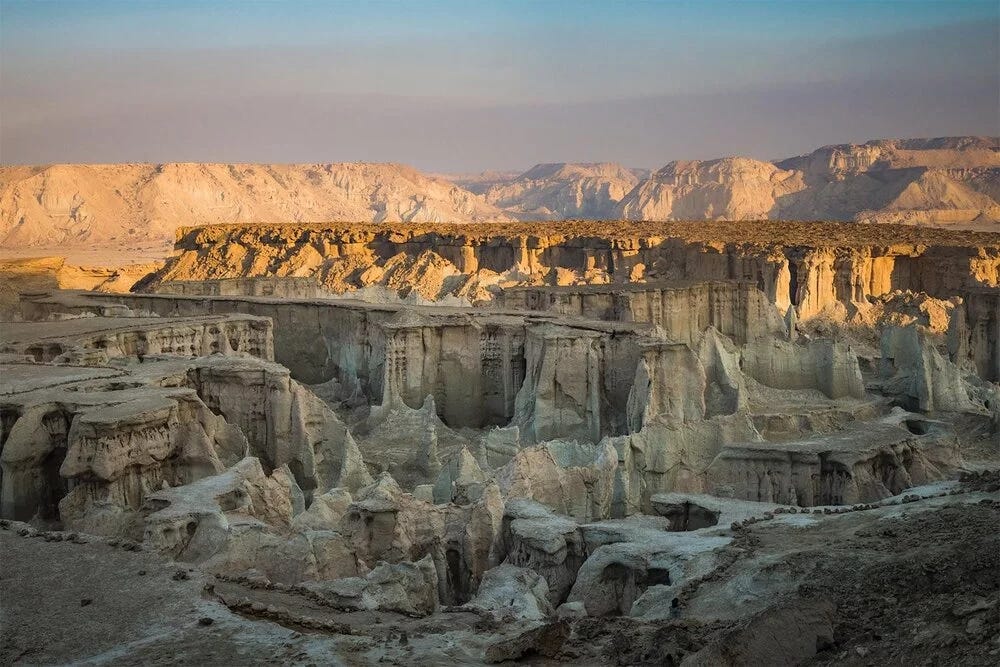
Valley of the Stars: A surreal landscape of towering sandstone pillars carved by wind and rain. Local legend says a star fell here, creating the unique shapes. It is a place of profound silence and beauty.
Namakdan Salt Cave: Explore the longest salt cave in the world, a subterranean wonder of white salt crystals.
Hara Marine Forests: Take a boat ride through these vast mangrove forests. They are a birdwatcher’s paradise and a vital ecosystem where trees grow directly from the saltwater—a sign of nature’s resilience.
Historical & Spiritual Sites:
Barkh Mosque (Village of Kosheh): Don’t miss this site, which is believed to date back to the early days of Islam. Rebuilt after a 14th-century earthquake, it stands as a testament to the island’s enduring faith.
Portuguese Castle: Located in Qeshm city, these red coral-stone ruins tell the story of the 17th-century struggle against colonial powers, ending with the victory of Safavid forces.
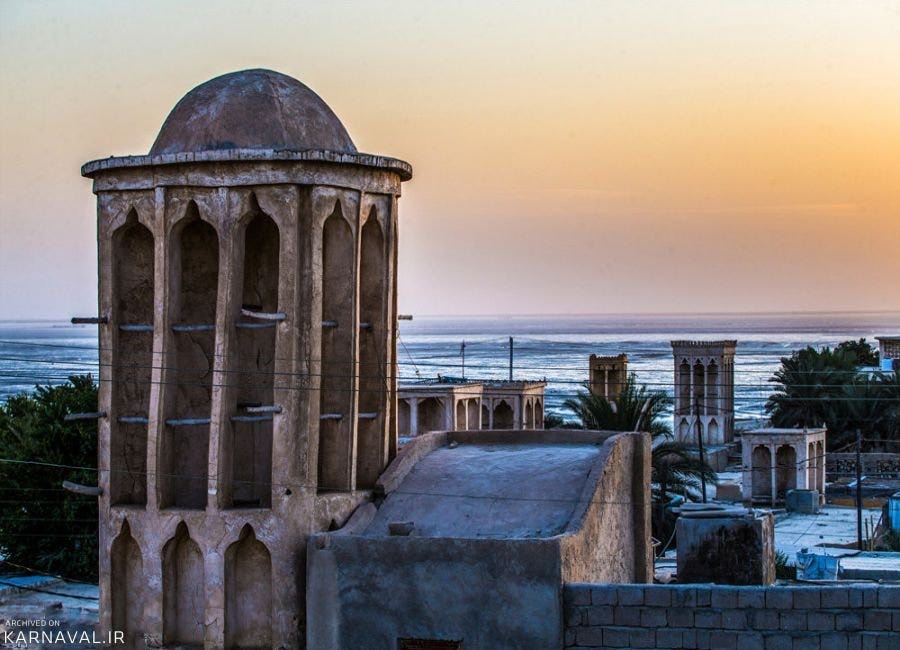
Laft Village: Famous for its skyline of badgirs (windcatchers) and ancient tala wells used to store water. It’s a perfect spot to witness traditional Persian Gulf architecture.
Hormuz Island: The Rainbow Island
Best for: Photographers, day-trippers, and those seeking unique landscapes.
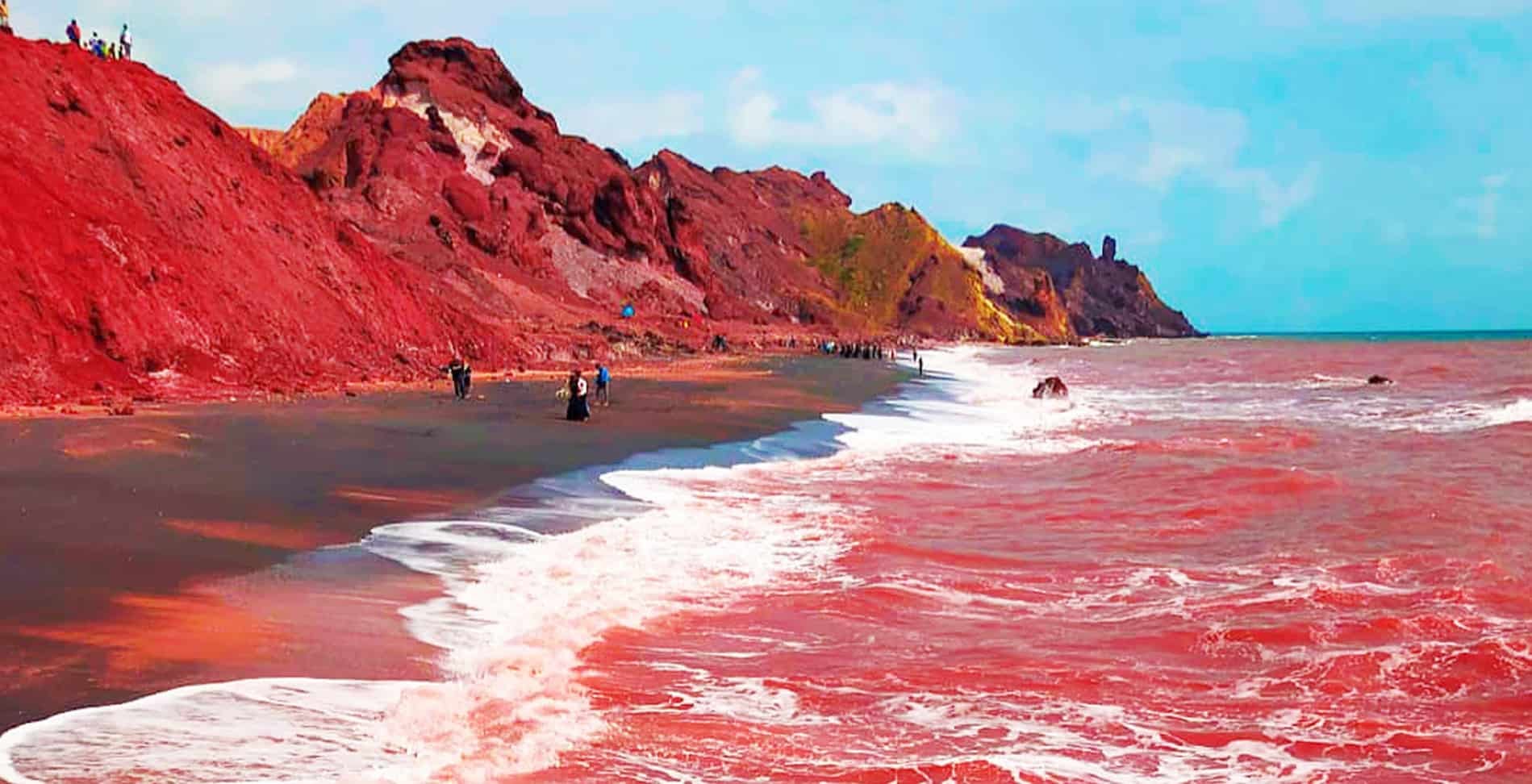
Hormuz is small but spectacular. Known for its vividly colored soil—red, yellow, and orange—it is often called the “Rainbow Island.”
The Red Beach: The soil here is rich in red oxide, turning the waves a striking crimson. It is a sight unlike anywhere else on earth.
Portuguese Fortress: Standing on the northern tip of the island, this is one of the few remaining monuments from the Portuguese occupation. It offers sweeping views of the sea and a history lesson on the liberation of the Gulf in 1622.
Travel Tip: Hormuz is best visited as a day trip from Qeshm or Bandar Abbas. The island has a relaxed, artistic vibe, perfect for walking and contemplation.
Kish Island: The Modern Oasis
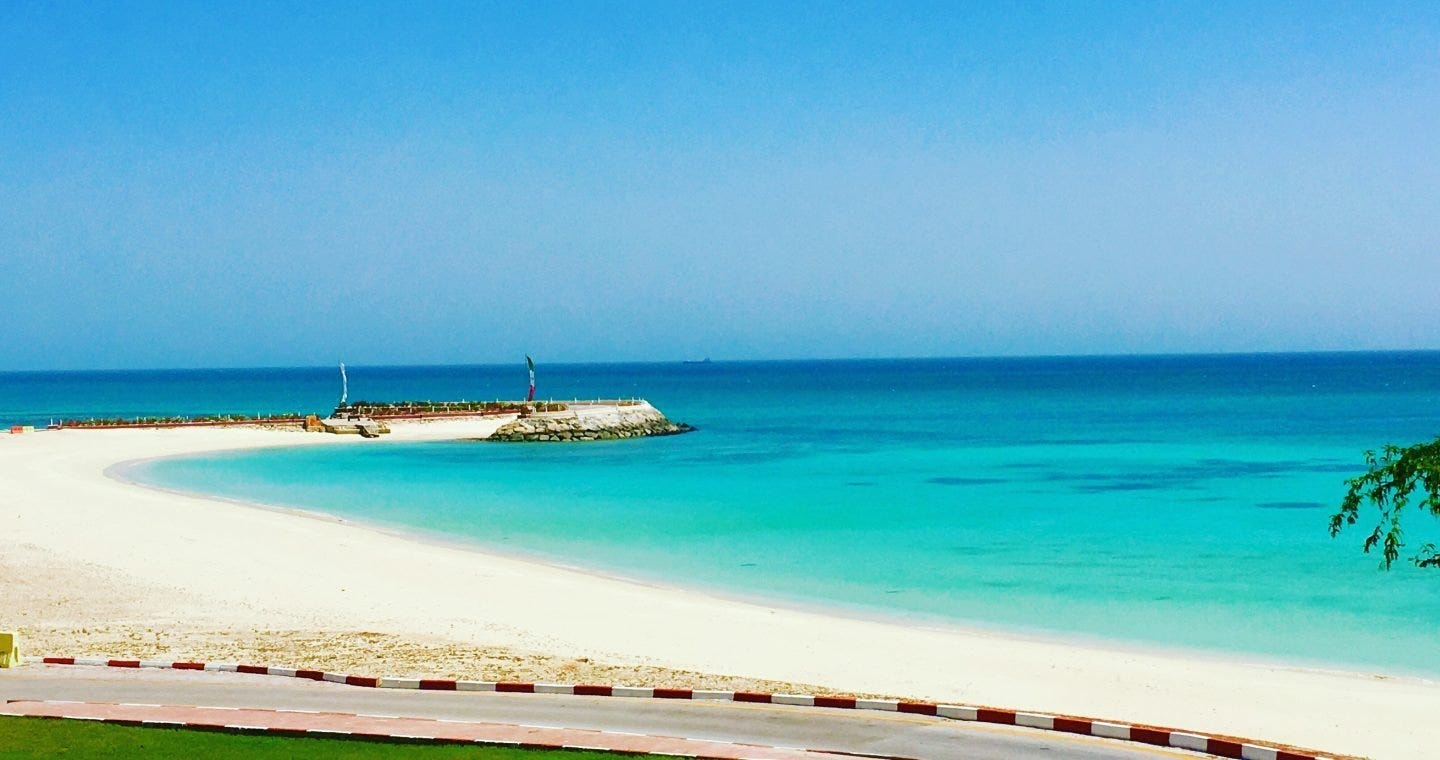
Best for: Family leisure, shopping, and beach relaxation.
If Qeshm is about raw nature, Kish is about comfort and modernity. It is a Free Trade Zone, making it a hub for shopping and luxury amenities, but it also holds hidden historical treasures.
Harireh Ancient City: Step away from the modern malls to walk through the ruins of this medieval port city. You can see remnants of grand houses and mosques from when Kish was a bridge between the Middle East and glorious trade routes to India and China.
Kariz Underground City: An incredible ancient aqueduct system that has been transformed into an underground cultural complex.
Leisure: Kish is famous for its pristine, coral-sand beaches and clear blue waters. It is an ideal spot for families to relax in a private, well-maintained environment.
The Hidden Gems: Hengam & Larak
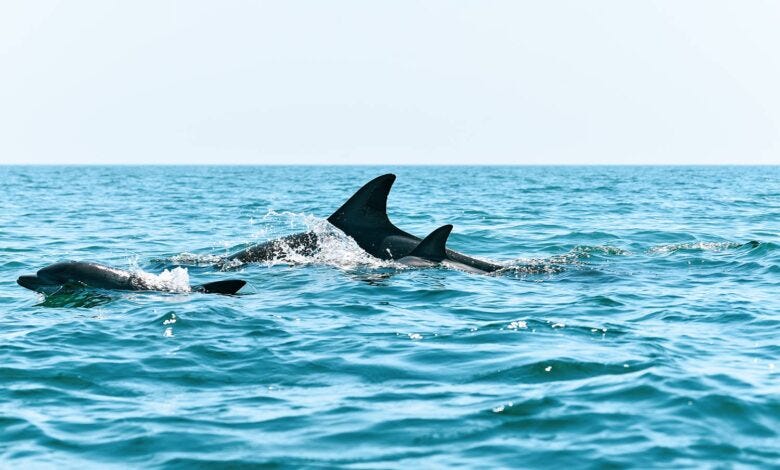
For those who want to go off the beaten path:
Hengam Island: Accessible by boat from Qeshm, this island is famous for dolphin watching. Wild dolphins often swim alongside boats here. The island also features a traditional market where you can buy local handicrafts.
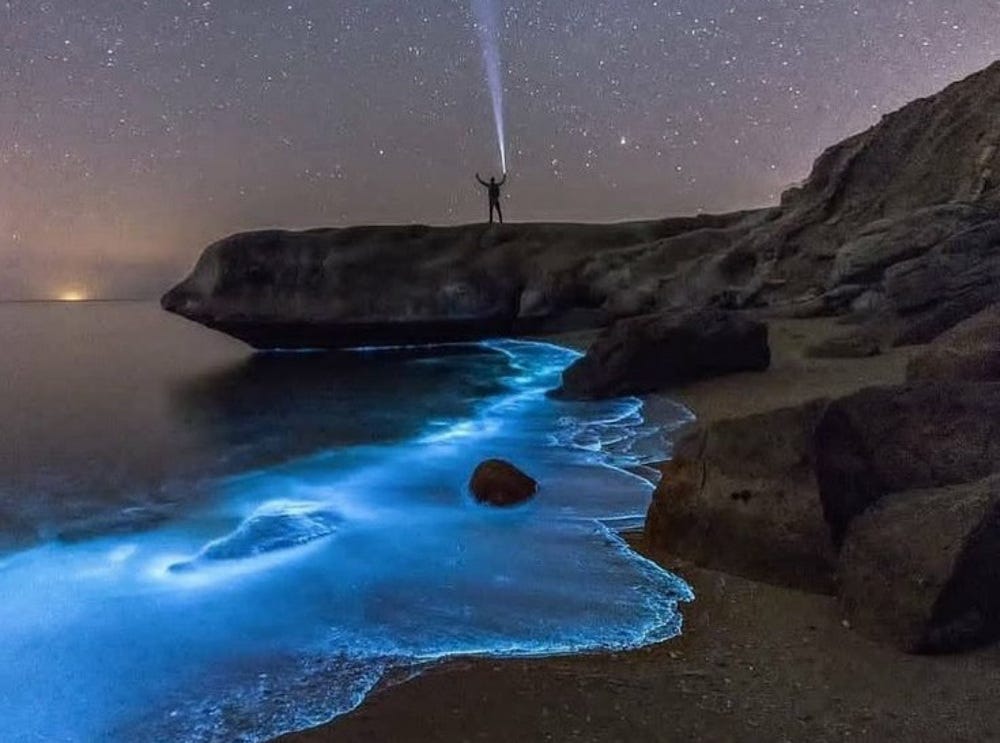
Larak Island: A quiet island with a 16th-century fortress and beautiful bioluminescent plankton that light up the shoreline at night.
Practical Traveler Tips
When to Go: The best time to visit is late autumn to early spring (November to March), when the weather is pleasant and mild. Summers can be extremely hot and humid.
Getting There: You can fly directly to Kish or Qeshm from major Iranian cities like Tehran. Alternatively, ferries run frequently from Bandar Abbas to Qeshm and Hormuz.
Cultural Note: The people of Hormozgan are known for their warm hospitality and distinct culture. You will notice traditional Bandari clothing and hear local dialects. As always, modest dress is respected and appreciated.
Whether you are praying in the ancient Barkh Mosque or marveling at the creation of Allah in the Valley of Stars, the Hormozgan islands offer a journey that nourishes both the soul and the senses.