

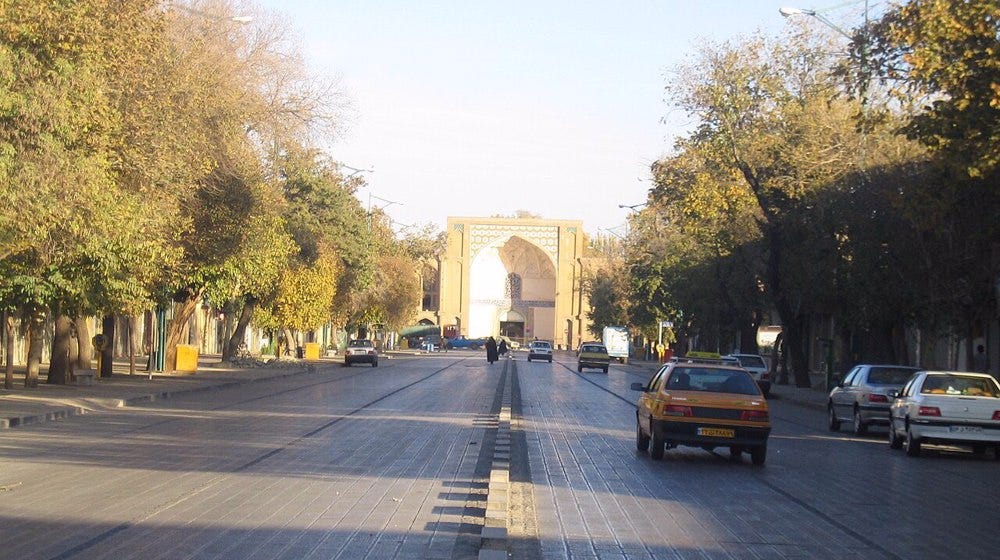
When travelling through Iran to explore its rich Islamic heritage, most pilgrims and history enthusiasts head straight for the magnificent squares of Isfahan or the holy sanctuaries of Mashhad. However, long before Isfahan became the glittering jewel of Safavid architecture, the city of Qazvin served as the empire’s thriving capital.
Under the rule of Shah Tahmasb I in the mid-16th century, Qazvin became a royal landscape where the Safavid vision—an era that firmly established Twelver Shiism as the state religion of Iran—first took physical shape. For those seeking to understand the roots of Iran’s Islamic golden age, Qazvin is an essential, often overlooked, destination.
The Dawn of a Shia Empire’s Golden Age
When Shah Tahmasb I moved the Safavid capital from Tabriz to Qazvin in the mid-16th century, he did more than just relocate the royal court to protect it from Ottoman attacks. He transformed the city into a thriving epicentre of a state that had recently embraced Twelver Shiism. For roughly half a century, until Shah Abbas I moved the capital to Isfahan in 1596, Qazvin served as the conceptual and architectural laboratory for the Safavid Empire’s greatest urban achievements.
The Dowlatkhaneh: A Royal Garden-City
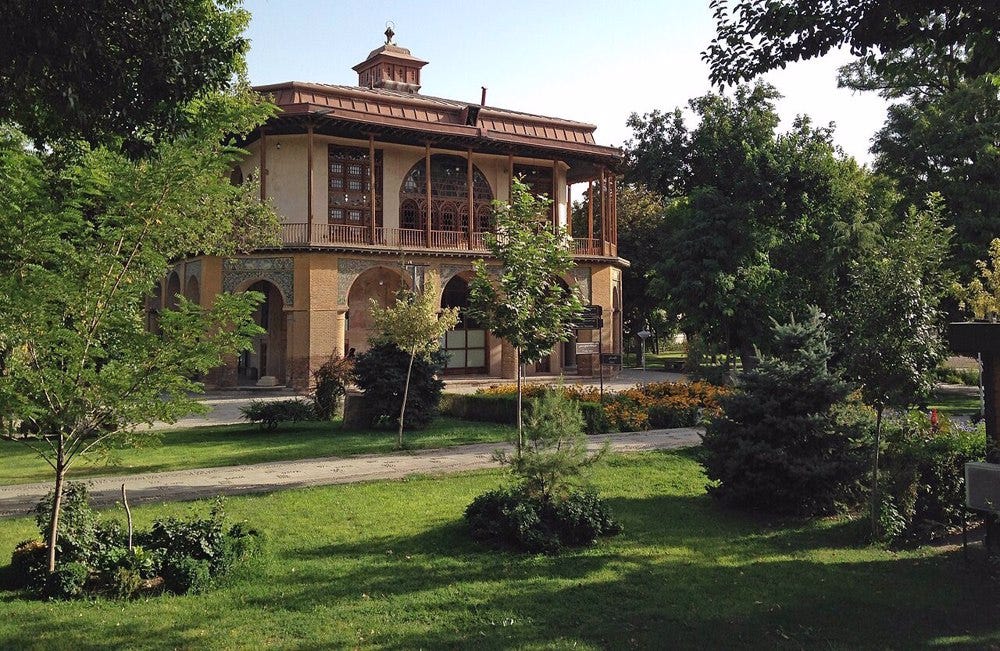
Unlike a newly built, isolated city, Safavid Qazvin was masterfully woven into the fabric of an existing historic metropolis. At its heart was the Dowlatkhaneh, a vast governmental and royal complex. Rather than just a single palace, it was a sprawling spatial system integrating royal residences, administrative halls, and the breathtaking Sa’adat Abad Garden. This design created a seamless transition from the private royal sphere to the bustling public city.
Today, travellers can still visit the exquisite Chehel Sotun pavilion and the monumental Ali Qapu gate, the surviving anchors of what was once a massive, awe-inspiring royal precinct. The Ali Qapu gate, in particular, served as a grand threshold, announcing the dignity and authority of the Safavid court to anyone entering from the city.
The Avenue That Inspired Isfahan
If you walk down modern-day Sepah Street in Qazvin, you are walking on the blueprint for Isfahan’s famous Chaharbagh. The Safavids revolutionised urban design by creating a grand principal avenue that functioned as a linear garden. Lined with trees, flowing water channels, and architectural framing, it was designed for leisurely strolls, public movement, and royal ceremonies.
This integration of nature and urban planning was a groundbreaking innovation. The Qazvin avenue proved that a garden axis could be transformed into a major instrument of urban design—a concept that Shah Abbas would later scale up to create Isfahan’s legendary boulevards.
Sanctuaries of Faith and Daily Life
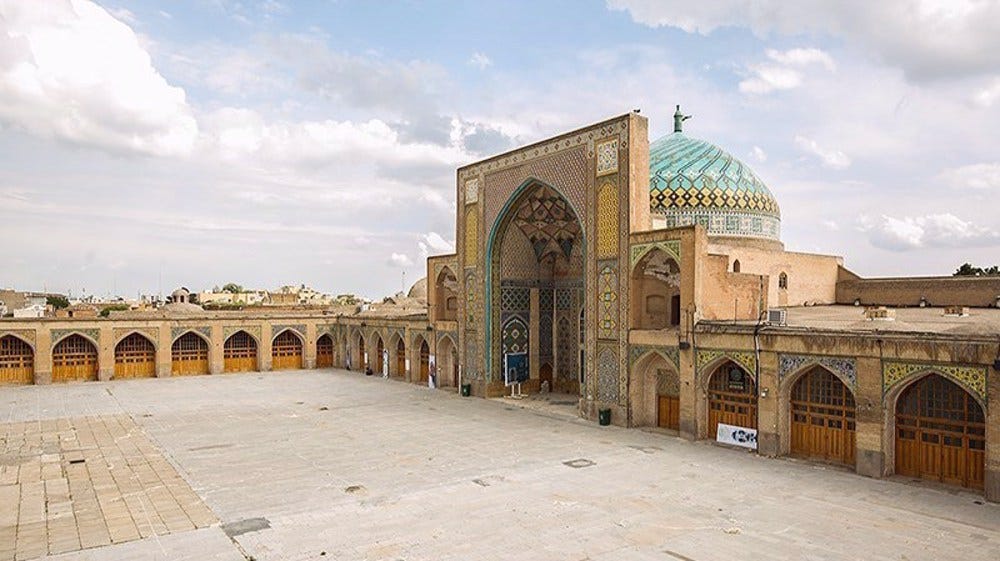
For the spiritual traveller, Qazvin offers a deeply moving connection to Islamic history. The Safavid rulers built strong ties between their new royal quarter and the city’s established religious centres. The ancient Jameh Mosque and the Safavid-commissioned Al-Nabi Mosque stand as testaments to the era’s devotion and architectural patronage, carefully connected to the palace so the monarch could participate in public worship while maintaining royal dignity.
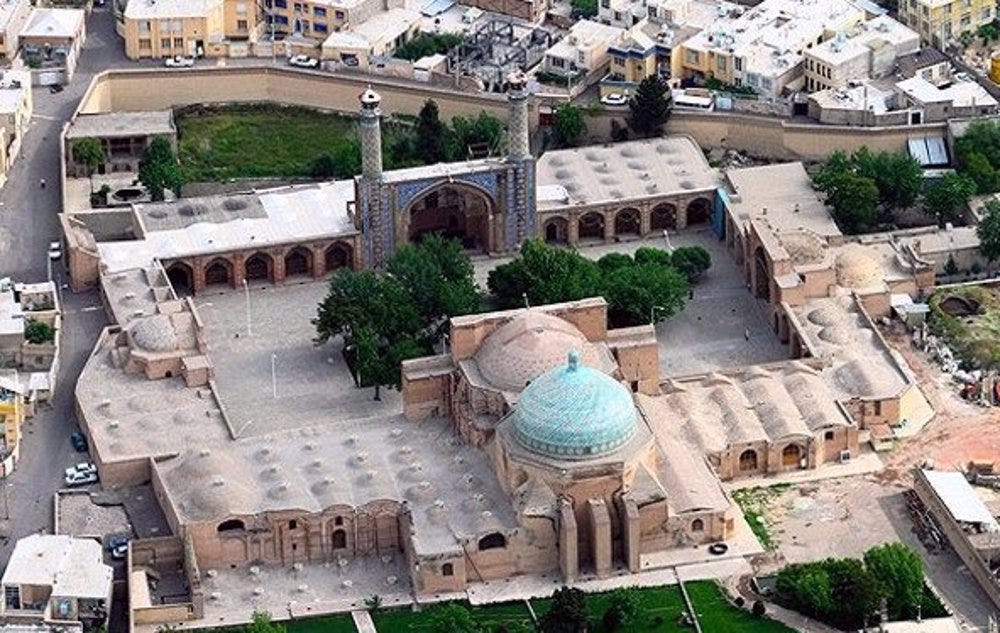
Perhaps most importantly for Shia pilgrims, the city is home to the revered Imamzadeh Hossein shrine. This beautiful sanctuary continues to draw the faithful from across the region, adding a profound layer of spiritual devotion to the city’s historic skyline. Additionally, public bathhouses (hammams) from the era highlight the Safavid focus on communal spaces and the Islamic emphasis on purity and social connection.
Why Qazvin Belongs on Your Iran Itinerary
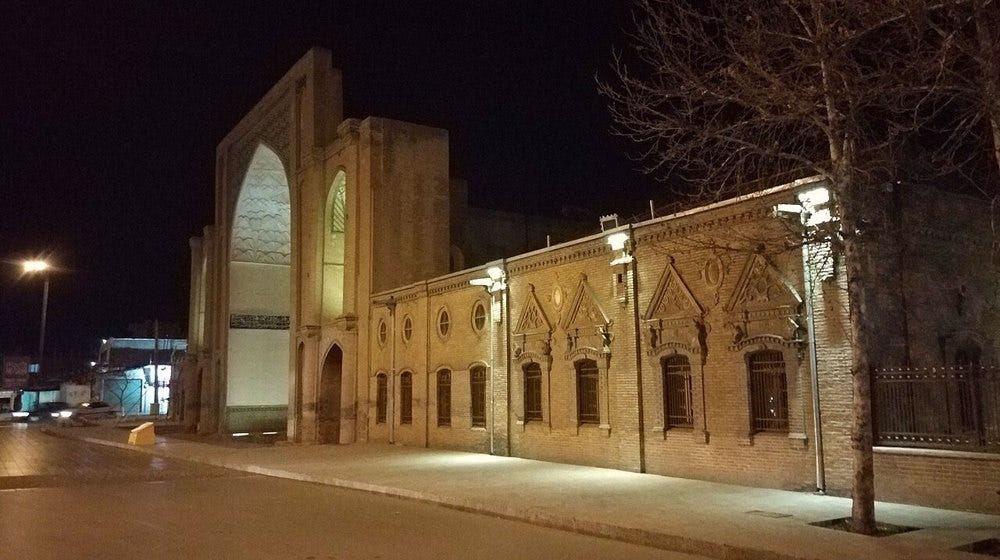
While Isfahan may boast the most famous Safavid monuments, Qazvin is where the Safavid vision was born. It is a city where Qizilbash military elites, Persian bureaucrats, merchants, and religious scholars coexisted and shaped a new Islamic society.
For travellers with Shia Journeys, Qazvin offers a quieter, more intimate glimpse into the roots of Iran’s cultural and religious renaissance. Walking through its historic avenues and surviving gardens allows you to step back into the very laboratory where Iran’s most celebrated urban and architectural visions first came to life.