

In a world often fractured by difference, where the lines between “us” and “them” are drawn in increasingly sharp relief, there are places that defy the expected narrative. Iran, frequently viewed through a monochromatic lens by the outside world, is one such paradox. Beneath the political surface lies a vibrant, multi-hued mosaic of faith—a society where diversity is not just tolerated, but woven into the very fabric of daily life.
As the New Year approaches, the air in Tehran shifts. It is not just the anticipation of a new calendar year, but a palpable sense of celebration that transcends the country’s Muslim majority. Here, the Christian community—an ancient thread in the Persian tapestry—prepares for festivities alongside their neighbours. It is a scene that might surprise those looking in from the outside: Christmas trees donated by the government, holiday greetings exchanged across faith lines, and a sense of shared joy that feels effortlessly genuine.
Priest Grigoris Nersesians of the Armenian Diocese in Tehran describes this coexistence as a “sweet and positive experience.” Sitting in a church in the heart of the capital, he speaks not of tolerance—a word that implies enduring something burdenous—but of affection and solidarity. He invokes the “golden rule” found in all great scriptures: to wish for others what you wish for yourself. In Iran, he suggests, this isn’t just a theological ideal; it is a lived reality.
This reality is anchored in history. Iran is a land that has hosted Jews, Christians, and Zoroastrians for millennia. Today, this heritage is codified in law. The Constitution explicitly recognises these groups, granting them rights that extend far beyond the freedom to worship. They have their own seats in Parliament—a guaranteed voice in the nation’s legislative chorus—and their personal status laws regarding marriage, divorce, and inheritance are respected by the state.
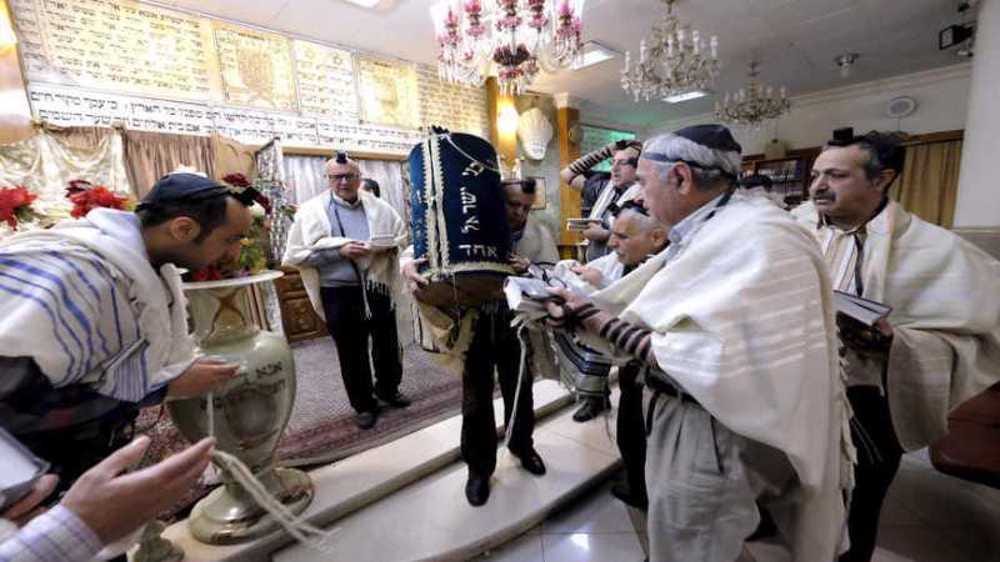
Perhaps nowhere is this sense of security more striking than within the Jewish community. Numbering over 20,000 by some estimates, it is the largest Jewish population in the Middle East outside the occupied Palestinian territories. Chief Rabbi Yehuda Gerami offers a perspective that stands in stark contrast to the security anxieties often felt in the West.
“Unlike in Europe, for example, we do not have guards outside our synagogues and schools, and our personal safety is excellent,” Rabbi Gerami notes.
It is a powerful image: Jewish schools and synagogues operating openly, without the need for security cordons, shielded not by armed guards but by a culture of communal respect.
This integration goes beyond mere safety; it touches the heart of national identity. Iranian Jews see themselves as deeply woven into the nation’s story, drawing a sharp line between their ancient faith and modern political movements like Zionism. This deep national bond was visible when Rabbi Gerami, accompanied by representatives of Christian faiths, visited the home of General Qassem Soleimani to offer condolences after his assassination. To the Rabbi, Soleimani was not just a military commander, but a “national hero” who had protected the country and the region from the terror of Daesh (ISIS)—a service that transcended religion.
Homayoun Sameyah Najaf Abadi, a Jewish Member of Parliament, reinforces this sentiment. Representing his community in the legislature, he notes that his vote carries the same weight as a colleague representing hundreds of thousands. He speaks of a deep sense of integration, where Jewish doctors, engineers, and soldiers have helped build and defend the country side-by-side with their Muslim compatriots.
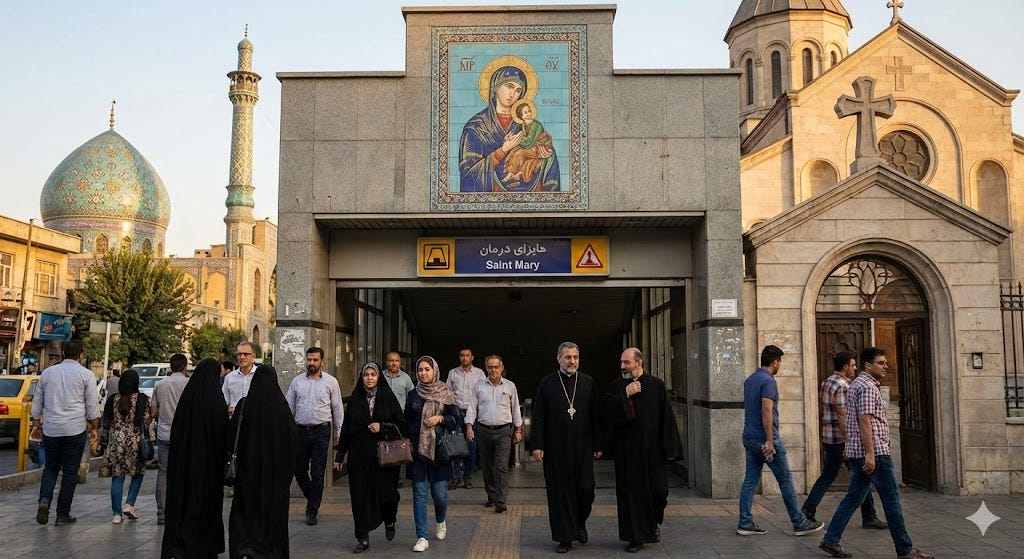
The evidence of this harmony is etched into the cityscapes themselves. In Tehran, the newly opened ‘Saint Mary’ metro station stands as a modern monument to this ancient respect. Its architecture, a thoughtful blend of Islamic and Christian motifs, features reliefs of the Virgin Mary and Jesus—symbols honoured in both the Bible and the Quran. It is a physical manifestation of a spiritual truth often overlooked: that for millions here, different paths can still lead to the same sense of belonging.
From the fire temples of Yazd where Zoroastrians keep ancient flames alive, to the bustling, unguarded synagogues of Tehran and the historic churches of Isfahan, Iran reveals itself not as a monolith, but as a “living symphony.” It is a place where the call to prayer and the ringing of church bells do not compete, but rather harmonise, creating a soundscape of unity that resonates far louder than the noise of division.
Reference: PressTv