

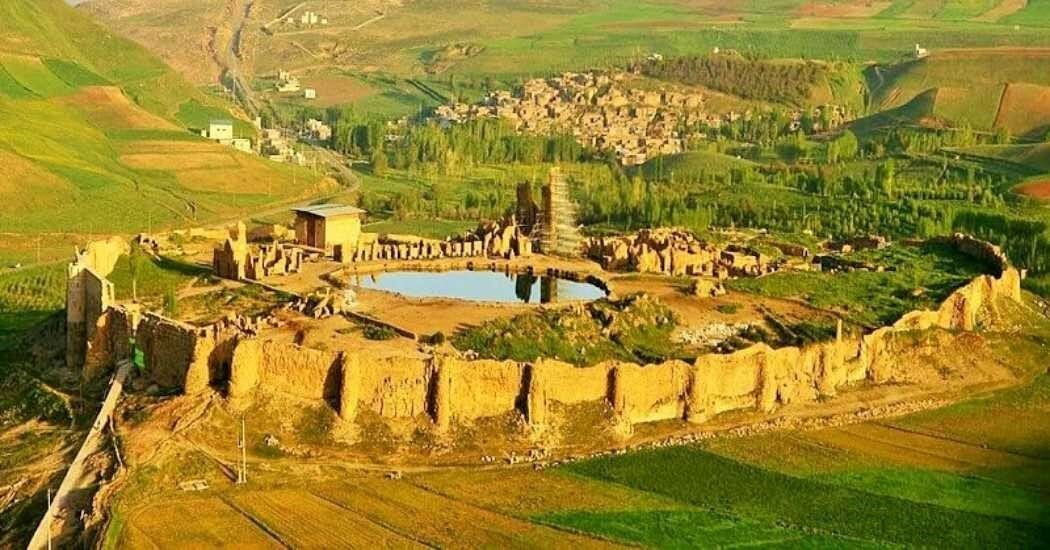
Nestled in the northwest corner of Iran, where borders blur and centuries of civilisation collide, lies a destination that feels less like a province and more like a beautifully curated, open-air museum. Welcome to West Azarbaijan.
If you are a traveller yearning for destinations that offer more than just a passing glance at history, this spectacular region—steeped in spiritual heritage, cultural crossroads, and natural grandeur—deserves the top spot on your Iranian itinerary.
Echoes of Ancient Empires
Your journey begins at the heart of the province in the vibrant city of Urmia, a perfect blend of modern Iranian hospitality and deep historical roots. But to truly understand West Azarbaijan, you must venture beyond the city limits into the wilder, older landscapes.
The province is a literal cradle of civilisation. As you wander through the windswept archaeological sites of Hasanlu, Kul Tepe, Selmas, and Qalaichi Bukan, you are walking in the footsteps of the Urartians, Mannaeans, Assyrians, and Persians. Imagine a time in the first millennium BCE when these rolling plains were the epicentre of powerful ancient cultures. From intricately carved Sassanid rock inscriptions to the atmospheric ruins of ancient settlements, the very stones here seem to whisper tales of human triumph and artistic brilliance.
Sacred Sites and UNESCO Marvels
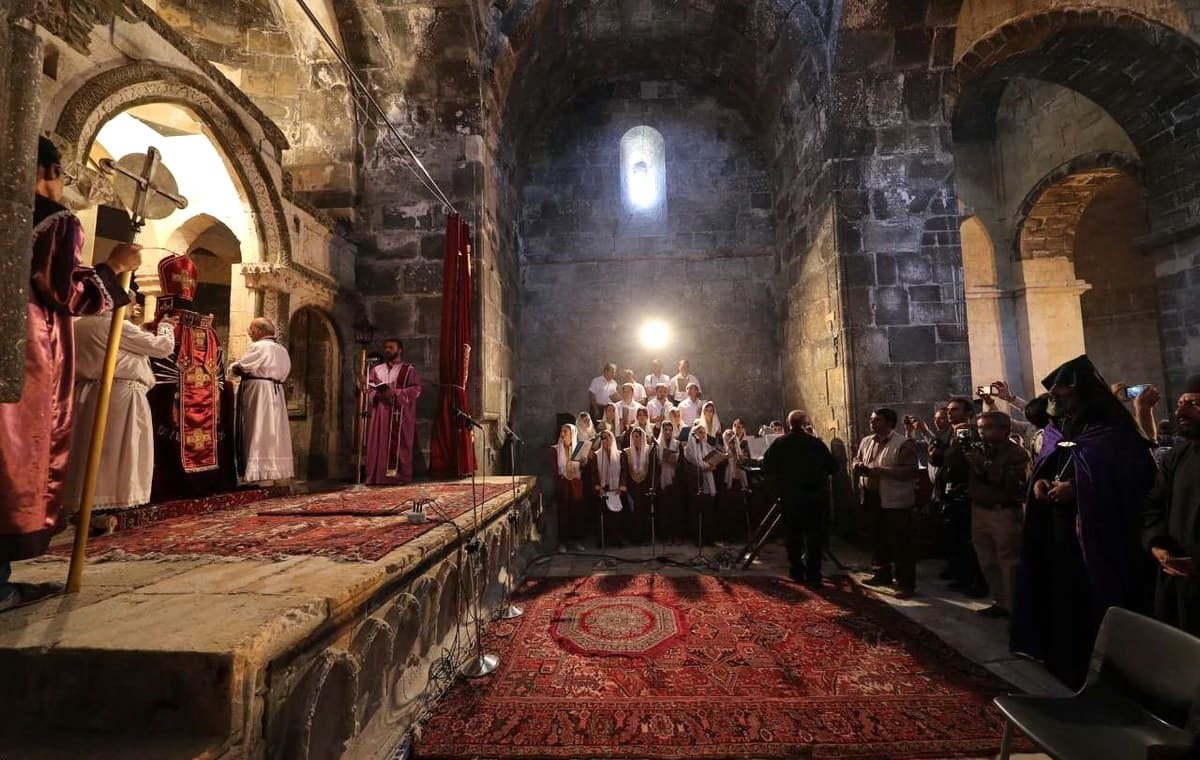
For those drawn to spiritual tourism and architectural wonders, West Azarbaijan offers two breathtaking UNESCO World Heritage sites that stand as testaments to the region's diverse and enduring religious history.
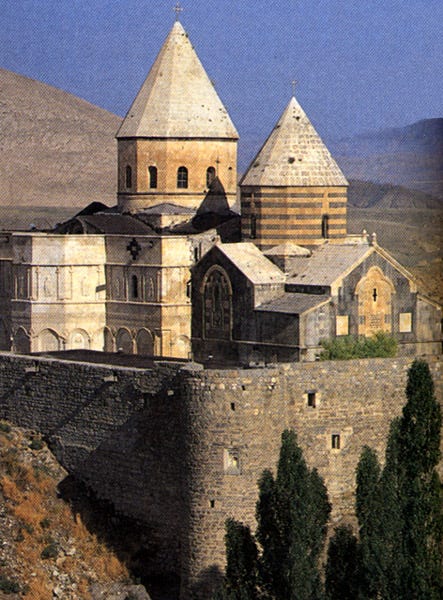
First is the magnificent Qara Kelisa, also known as the Monastery of Saint Thaddeus. Believed to be the resting place of one of Jesus Christ's apostles, this striking monastery is an architectural marvel of contrasting early black stone and later white limestone additions. If you time your visit right, you might witness the "Badarak" ritual, a profound annual gathering that draws Christian pilgrims from across the globe, transforming the silent mountains into a vibrant chorus of faith.
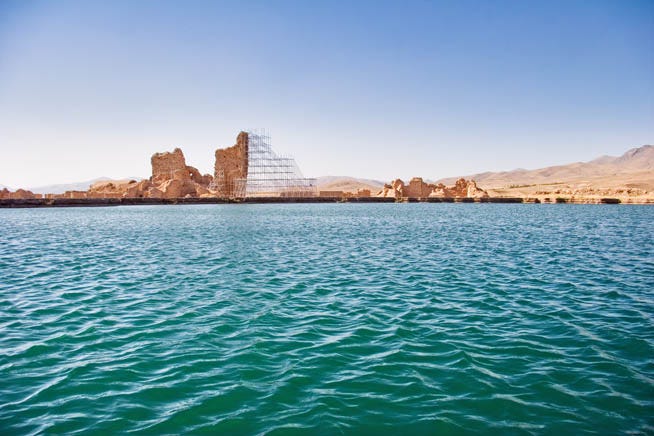
Equally mesmerising is the legendary Takht-e Soleyman (Throne of Solomon) complex. Known in antiquity as Shiz or Ganjak, this Sassanid-era masterpiece was once home to one of Zoroastrianism’s most significant fire temples. Today, its enchanting ruins wrap around a mysterious, mineral-rich crater lake. Standing at the water's edge, it is impossible not to feel captivated by the sheer grandeur and architectural ingenuity of pre-Islamic Iran.
Nature’s Masterpiece
Beyond the ancient ruins and holy sites, West Azarbaijan will steal your heart with its natural beauty. As a region blessed with four distinct seasons, its landscapes are dynamic and ever-changing.
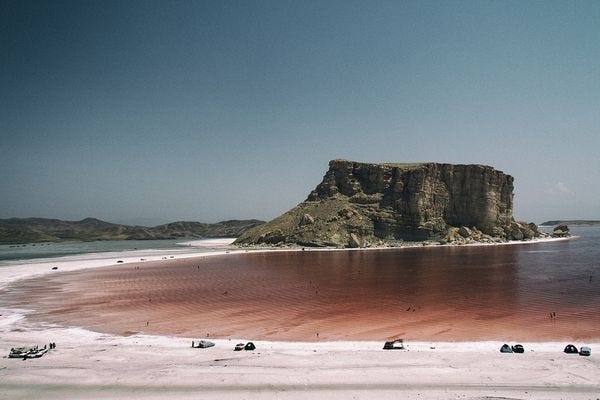
At the centre of this natural richness is the majestic Lake Urmia. Despite recent environmental challenges, it remains the largest inland lake in Iran and a vital sanctuary for wildlife. A trek near the lake's islands, such as Ashk Island, might even reward you with a sighting of the rare Iranian yellow deer, alongside wild goats, roaming rams, and flocks of migratory birds.
Venture further south toward Sardasht and Piranshahr, and you’ll find yourself surrounded by dense, emerald woodlands. Here, you can witness the dramatic, cascading waters of the Shlamash Waterfall hidden amid the forest. Whether you are hiking through these lush environments or simply taking a scenic drive past endless, fragrant orchards of apples and grapes, the province is a paradise for eco-tourists and nature lovers alike.
A Journey for All Seasons
Whether you want to explore blooming archaeological mounds in the fresh air of spring, hike the green plains in summer, photograph the fiery hues of autumn, or marvel at snow-draped ancient temples in the quiet of winter, West Azarbaijan is ready to welcome you.
For the intrepid traveller seeking profound history, diverse spirituality, and awe-inspiring nature, this corner of Iran isn’t just a place to visit—it’s a journey through the pages of time that will linger in your soul long after you’ve returned home.