

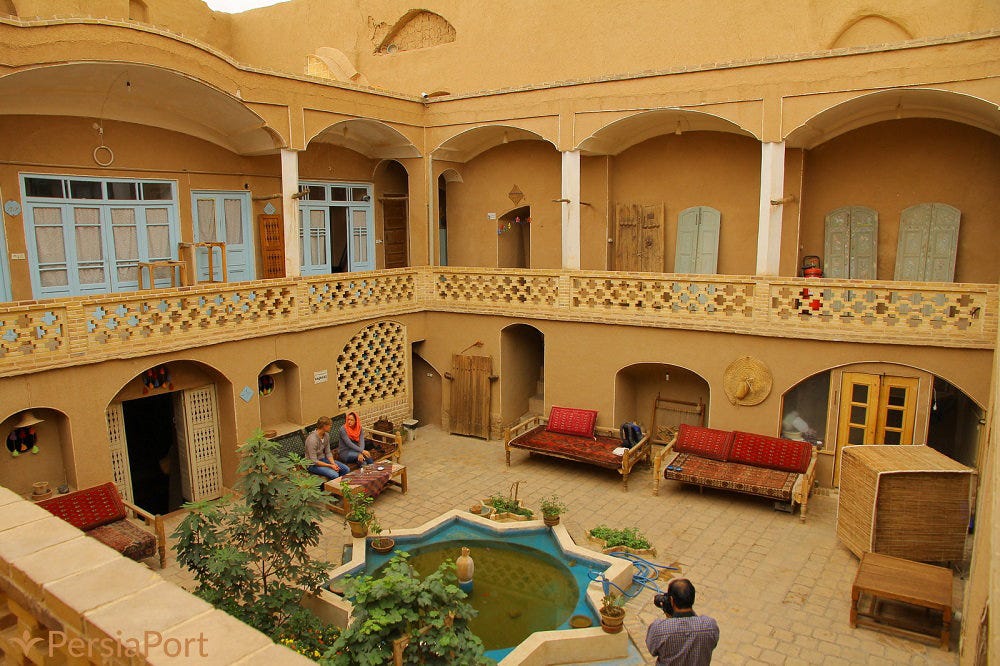
There is a kind of journey that changes you before you have even reached the destination.
For most of us, travel has come to mean a familiar ritual: a smooth check-in, a numbered room, a breakfast buffet that tastes the same whether you wake in Tehran, Dubai, or London. The world grows smaller, but somehow it also grows flatter — every hotel a mirror of the last. Yet across the mountain villages, desert settlements, and green forests of Iran, a quiet movement is inviting travellers to rediscover something the modern world has nearly forgotten: the art of truly arriving somewhere.
They are called boomgardi — Iran’s eco-lodges. And as the tourism researcher and instructor Azadeh Abedinzadeh explains, they offer far more than a bed for the night.
Not a Service, But a Way of Living
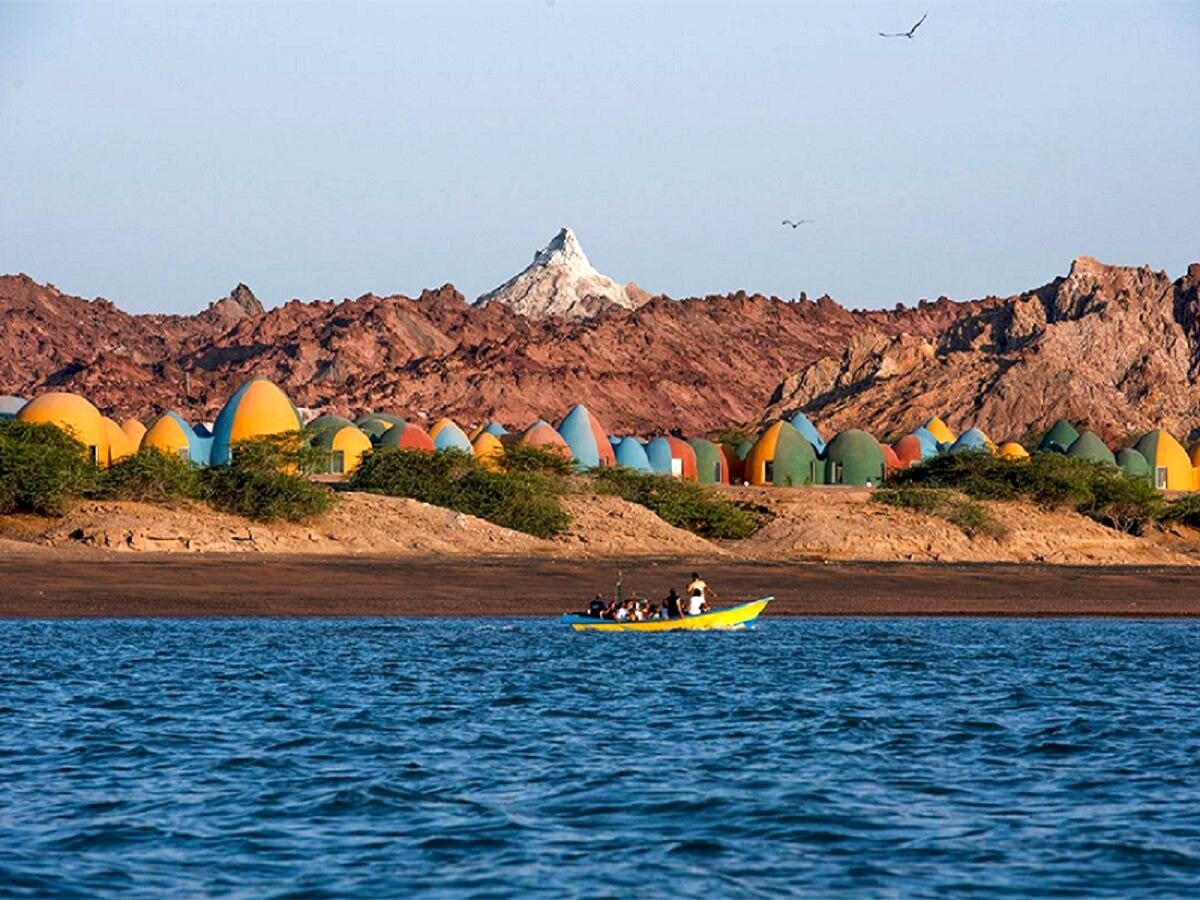
Ask Abedinzadeh what makes an eco-lodge different from a hotel, and her answer cuts straight to the heart of it.
“Hotels provide services,” she says. “Eco-lodges narrate a way of living.”
It is a beautiful distinction, and a deeply meaningful one for the believing traveler. A hotel sells you comfort. An eco-lodge offers you a relationship — with the land beneath your feet, with the family who hosts you, and with a community whose rhythms of life have not yet been severed from the natural world around them.
To stay in a boomgardi is to sleep inside a restored traditional home, built from the very earth and stone of the region, shaped by an architecture that grew out of that place and no other. You wake not to a wake-up call, but to the sounds of a village beginning its day. This is tourism as the Almighty perhaps intended travel to be — a means of reflection, of gratitude, and of witnessing the astonishing variety of His creation.
The Table That Remembers
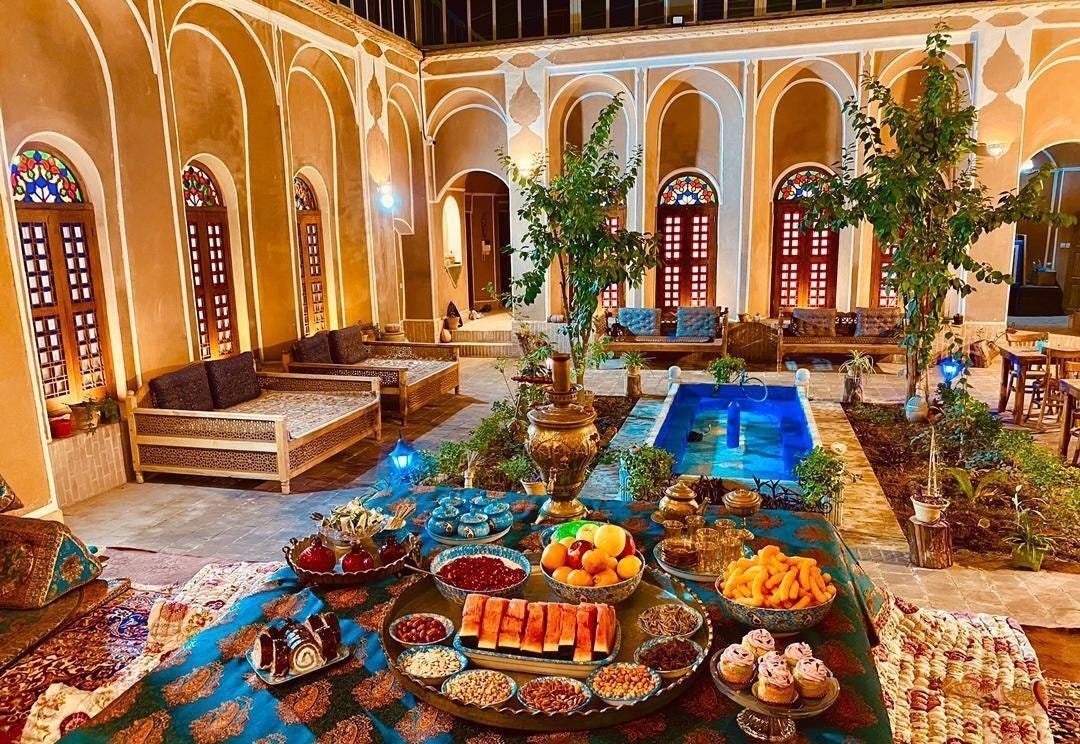
If there is one place where the soul of a boomgardi reveals itself, it is at the table.
Rather than the standardised menus of the city, eco-lodge hosts increasingly serve the dishes of their own region — recipes carried down through generations, each one a page from the cultural memory of that place. To eat here is to taste the identity of a people. A bowl of stew, a fresh flatbread, a preserve made from local fruit: these are not simply meals, but stories.
And in this, there is a lesson close to our own tradition. Hospitality — welcoming the traveller, feeding the guest generously — has always been among the most cherished of virtues. In the boomgardi, that ancient ethic is alive and thriving.
Reviving What Was Fading
Perhaps the most quietly heroic aspect of this movement is what it has rescued from disappearing altogether.
Customs, local foods, folk music, traditional dress — so many of these had begun to fade under the weight of a homogenising world. The eco-lodges have given them a reason to live again. As Abedinzadeh notes, traditions that were slipping into memory have been revived through these humble guesthouses. Around them, village markets have sprung up; stalls of handicrafts and locally made goods now offer families a livelihood where opportunity was once scarce.
This is tourism that gives back. Every traveler who chooses a boomgardi becomes, in a small way, a supporter of a village’s dignity — its economy, its culture, its future. In some of Iran’s least-developed regions, that support is nothing short of transformative.
The Danger of Losing the Magic
Yet Abedinzadeh sounds a note of caution, and it is a wise one.
There is a temptation, as any successful movement grows, to polish away the very roughness that made it special — to add the luxuries and uniformity of a hotel until the eco-lodge becomes merely a “rural hotel” in disguise.
“Eco-lodges are not supposed to become rural hotels,” she warns. Their worth, she reminds us, lies precisely in their differences — in their simplicity, their closeness to nature, and their faithfulness to the character of the place they belong to. The moment they try to imitate everything else, they lose the one thing no five-star resort can offer: authenticity.
A Journey Worth Taking
For the traveller seeking more than a photograph and a souvenir — for the pilgrim of experience who longs to feel a place rather than simply pass through it — the boomgardi offers a rare gift.
Here, the journey is not a break from life. It is life, lived closer to the earth, closer to community, and closer to the quiet signs of the Creator woven into every mountain, every desert, and every simple, welcoming home.
So the next time the road calls, consider a different way to travel. Trade the lobby for the courtyard, the buffet for the family table, the anonymous night for a place that remembers your name. You may find that in slowing down, you finally arrive.
Reference: Tehran Times